
Pagamenti digitali e sicurezza nei bookmaker: come le nuove integrazioni di wallet trasformano le scommesse sportive

(230 ± 10 parole)

Nel settembre 2026 il panorama dei pagamenti online ha raggiunto un livello di maturità mai visto prima. I wallet digitali, da semplici contenitori di crediti a veri hub finanziari, sono ora integrati in oltre l’80 % delle piattaforme di betting europee. La spinta proviene sia dalla domanda dei giocatori, che chiedono depositi in pochi secondi, sia dalla necessità dei bookmaker di ridurre il rischio di frodi e di rispettare le normative PSD3 in evoluzione.

Per gli scommettitori sportivi italiani questa trasformazione è particolarmente rilevante: la velocità di un “one‑click” può fare la differenza tra una puntata live al minuto 89 e un’opportunità persa. Allo stesso tempo, i bonus di benvenuto, in particolare i free spins offerti nelle sezioni casino dei siti di scommesse, sono sempre più legati all’utilizzo di determinati wallet, creando una nuova dinamica di scelta.

L’articolo si propone di andare oltre le semplici descrizioni di prodotto. Analizzeremo le tipologie di wallet più diffuse, confronteremo cinque bookmaker non AAMS con integrazioni avanzate, indagheremo le minacce emergenti e proporremo consigli pratici per abbinare il wallet giusto alla tipologia di scommessa. Il lettore uscirà con un set di strumenti per valutare sicurezza, costi e opportunità di profitto, senza lasciarsi ingannare da promesse superficiali.

Evoluzione dei wallet digitali nel panorama delle scommesse sportive

(340 ± 10 parole)

Negli ultimi tre anni i wallet si sono diversificati in tre macro‑categorie. Gli e‑wallet tradizionali, come PayPal, Skrill e Neteller, hanno ampliato le proprie API per supportare webhook in tempo reale, consentendo ai bookmaker di verificare immediatamente la disponibilità dei fondi. I crypto‑wallet (es. MetaMask, Trust Wallet) hanno guadagnato terreno nei mercati sportivi emergenti grazie alla loro capacità di gestire transazioni quasi istantanee e di operare senza intermediari bancari. Infine, i wallet bancari – soluzioni offerte da istituti come Intesa Sanpaolo e UniCredit attraverso app mobile – permettono di collegare direttamente il conto corrente al profilo di betting, riducendo al minimo i passaggi di autenticazione.

Le nuove API di integrazione, standardizzate da consorzi europei, hanno introdotto il modello “one‑click”. Quando il giocatore conferma il deposito, il wallet invia un token firmato crittograficamente, il bookmaker lo accetta e accredita il credito in meno di due secondi. Questo flusso elimina la necessità di inserire manualmente i dati della carta o di attendere la verifica 3‑D Secure, riducendo di oltre il 40 % i tassi di abbandono durante la fase di deposito.

La riduzione delle frodi è un risultato collaterale importante. Con le transazioni in tempo reale, i sistemi anti‑fraud dei bookmaker possono confrontare il comportamento dell’utente con modelli di rischio predefiniti e bloccare immediatamente attività sospette. Inoltre, i wallet criptati offrono la possibilità di anonimizzare il flusso di denaro, limitando l’esposizione di dati sensibili.

E‑wallet più diffusi tra i scommettitori italiani

  • PayPal: accettato da più del 70 % dei bookmaker europei, commissioni di 0,5 % sui prelievi.
  • Skrill: popolare per i free spins, tempi di prelievo medio 4 h.
  • Neteller: supporta sia fiat che stablecoin, ideale per scommesse live ad alta frequenza.

Il ruolo delle criptovalute nei mercati sportivi emergenti

Le scommesse su calcio africano e sui tornei di e‑sport in Asia hanno sperimentato un uso massiccio di USDT e BUSD, grazie alla loro stabilità rispetto a Bitcoin. I bookmaker che hanno integrato questi stablecoin hanno registrato un incremento medio del 22 % di volume di scommesse live, poiché i giocatori possono spostare fondi senza subire volatilità di prezzo.

Analisi comparativa dei bookmaker non AAMS con integrazione wallet

(380 ± 10 parole)

Di seguito una tabella sintetica che confronta cinque operatori con licenza europea, tutti non AAMS, ma con soluzioni wallet avanzate.

Bookmaker Wallet supportati Tempo medio deposito Tempo medio prelievo Commissioni Bonus benvenuto
BetFusion PayPal, Skrill, MetaMask 1‑2 s 4 h (PayPal) – 2 h (Crypto) 0 % (depositi) – 1 % (prelievi) 100 % fino a €200 + 30 free spins
EuroBetPro Neteller, Apple Pay, USDT 2 s 3 h (Apple Pay) – 1 h (USDT) 0,5 % su prelievi 150 % fino a €300
FastPlay24 PayPal, Google Pay, BUSD 1 s 2 h (Google Pay) – 45 min (BUSD) Nessuna 50 % fino a €100 + 20 free spins
StakeLine Skrill, Trust Wallet, EUR‑bank wallet 2 s 5 h (Skrill) – 30 min (bank) 0,3 % su prelievi 200 % fino a €400
VictoryOdds PayPal, Neteller, BTC 1‑3 s 4 h (PayPal) – 20 min (BTC) 0,2 % su prelievi 120 % fino a €250 + 25 free spins

Durante la ricerca è emerso un sito che raccoglie recensioni dettagliate e aggiornate su questi operatori: https://www.volawindjet.it/. Il portale elenca i bonus, le quote e le opzioni di pagamento, consentendo di confrontare rapidamente le offerte più vantaggiose.

Metodologia di valutazione delle piattaforme

  1. Copertura di wallet: numero di integrazioni “one‑click” disponibili.
  2. Tempi di transazione: misurati su depositi e prelievi in condizioni reali (test effettuati a settembre 2026).
  3. Commissioni effettive: calcolate sul valore medio delle operazioni di un utente medio italiano.
  4. Qualità del bonus: valore reale dei free spins e requisiti di wagering.

Casi studio: tre bookmaker con performance eccellenti

  • BetFusion ha ridotto il tasso di abbandono del checkout dal 12 % al 5 % grazie all’integrazione di MetaMask, che permette ai giocatori di scommettere su eventi live con latenza inferiore a 300 ms.
  • EuroBetPro ha introdotto un sistema di “bonus instant”: al primo deposito con USDT il giocatore riceve 30 free spins attivati in automatico, senza passare per la sezione casino.
  • VictoryOdds ha implementato un meccanismo di “cash‑back” in BTC per le scommesse perdute su mercati di e‑sport, rendendo la piattaforma particolarmente attraente per gli appassionati di gaming competitivo.

Sicurezza dei pagamenti: minacce emergenti e contromisure

(310 ± 10 parole)

Il crescente utilizzo di wallet ha attirato l’interesse di cybercriminali specializzati in phishing e spoofing. Gli attacchi più diffusi mirano a replicare l’interfaccia di login di PayPal o Skrill, ingannando l’utente affinché inserisca le credenziali in una pagina falsa. Per contrastare questa tendenza, i bookmaker hanno adottato l’autenticazione a più fattori (MFA) basata su push notification o token hardware. Quando il wallet invia una richiesta di prelievo, l’utente riceve un codice temporaneo da confermare, rendendo quasi impossibile l’esecuzione di un trasferimento non autorizzato.

Gli standard PSD3, che entreranno in vigore a fine 2026, impongono una maggiore trasparenza sui dati di transazione e obbligano gli operatori a conservare registri crittografati per almeno cinque anni. Questo requisito spinge i bookmaker a implementare sistemi di logging in tempo reale, dove ogni movimento di fondi è tracciato da un ID unico e verificabile.

Altre contromisure includono:

  • Analisi comportamentale: algoritmi che rilevano pattern anomali (ad es. più di cinque depositi da wallet diversi entro un’ora).
  • Whitelist di dispositivi: il cliente può registrare i propri dispositivi mobili, limitando l’accesso da IP non riconosciuti.
  • Crittografia end‑to‑end: tutti i dati sensibili sono protetti da chiavi a 256 bit, impedendo intercettazioni durante il trasferimento.

Impatto dei bonus “Free Spins” sul comportamento di deposito

(285 ± 10 parole)

Le statistiche raccolte da piattaforme di analisi indipendenti mostrano che il 68 % degli utenti italiani che accetta un bonus di free spins effettua almeno un deposito entro 15 minuti dall’attivazione. La motivazione principale è la necessità di convertire i crediti gratuiti in vincite reali, operazione che richiede fondi disponibili nel wallet.

Questo impulso ha un effetto diretto sui wallet più rapidi: gli utenti tendono a scegliere PayPal o Apple Pay per la loro capacità di completare il deposito in meno di due secondi. Tuttavia, la rapidità può nascondere rischi di dipendenza: la facilità di spostare denaro incentiva scommesse impulsive, soprattutto in modalità live.

Per mitigare tali rischi, i bookmaker più responsabili inseriscono limiti di deposito giornaliero collegati al bonus, ad esempio €200 massimi entro le prime 24 ore. Inoltre, le piattaforme offrono strumenti di auto‑esclusione e monitoraggio delle perdite, visibili direttamente dal pannello del wallet.

Scelta del wallet ideale in base al tipo di scommessa sportiva

(330 ± 10 parole)

Le esigenze di un scommettitore variano notevolmente a seconda che la puntata sia live o pre‑match. Per le scommesse live, la latenza è il fattore critico: un ritardo di 200 ms può trasformare una vincita in una perdita. I wallet che offrono webhook a risposta immediata, come PayPal e MetaMask, risultano i più adatti.

I mercati ad alta volatilità, come le partite di calcio di Serie A o i tornei di tennis ATP, richiedono liquidità immediata per poter coprire scommesse multiple in pochi secondi. Qui, i wallet bancari con saldo collegato al conto corrente garantiscono fondi costanti, mentre le stablecoin (USDT, BUSD) eliminano il rischio di variazione di valore durante la scommessa.

Consigli pratici:

  • Per scommesse live su calcio: scegli PayPal o Apple Pay per la velocità di deposito; verifica che il bookmaker supporti notifiche push per confermare l’operazione in tempo reale.
  • Per mercati di e‑sport e fantasy: utilizza crypto‑wallet con stablecoin; la quasi assenza di commissioni e i tempi di prelievo inferiori a 30 minuti favoriscono la gestione di piccole puntate frequenti.

Wallet consigliati per scommesse live su calcio

  • PayPal (1‑2 s di deposito)
  • Apple Pay (1‑s)

Soluzioni ottimali per mercati di e‑sport e fantasy

  • MetaMask con USDT
  • Trust Wallet con BUSD

Integrazione mobile: app di betting e wallet in un ecosistema unico

(295 ± 10 parole)

Le app native di betting hanno iniziato a incorporare i wallet direttamente nella loro architettura, eliminando la necessità di aprire app esterne. Su iOS, Apple Pay è integrato tramite il framework PassKit, consentendo al giocatore di aggiungere il wallet con un singolo tap. Android segue lo stesso approccio con Google Pay, sfruttando l’API “PaymentDataRequest” per gestire token di pagamento.

L’esperienza utente tipica prevede:

  1. Login con MFA (codice via SMS o push).
  2. Deposito: l’utente seleziona il wallet, inserisce l’importo e conferma; il token viene inviato al server del bookmaker in meno di un secondo.
  3. Prelievo: la richiesta genera un link di conferma inviato al wallet; il denaro è disponibile nel portafoglio digitale entro il tempo indicato nella tabella comparativa.
  4. Attivazione bonus: al completamento del deposito, il sistema riconosce automaticamente il bonus di free spins e lo accredita nella sezione casino, senza passaggi aggiuntivi.

Le performance differiscono leggermente tra Android e iOS a causa delle politiche di background processing: i dispositivi iOS tendono a chiudere le richieste di rete più rapidamente, riducendo la latenza di deposito di circa 0,3 s rispetto a Android. Tuttavia, la differenza è marginale rispetto ai benefici di una gestione integrata del wallet.

Futuri trend: IA, blockchain e pagamenti senza frizioni

(320 ± 10 parole)

L’intelligenza artificiale sta diventando il pilastro della sicurezza dei pagamenti. Algoritmi di machine learning analizzano milioni di transazioni al giorno, identificando pattern sospetti con una precisione superiore al 95 %. Quando una transazione supera la soglia di rischio, il sistema invia un avviso in tempo reale al wallet, richiedendo conferma aggiuntiva o bloccando l’operazione.

Sul fronte della blockchain, si prevede l’introduzione di layer‑2 scaling solutions (es. zk‑Rollup) che consentiranno trasferimenti quasi istantanei con costi di gas quasi nulli. Questo evolverà verso wallet “smart contract” in grado di attivare automaticamente promozioni: al verificarsi di una condizione (ad es. primo deposito superiore a €100), il contratto rilascia 20 free spins direttamente nella sezione casino, senza intervento umano.

Altri sviluppi attendibili includono:

  • Identity‑wallet ibridi: combinazione di KYC on‑chain e credenziali biometriche per eliminare la verifica manuale.
  • Pagamenti “pay‑per‑play”: micro‑transazioni per ogni azione live (es. scommessa su un goal), gestite tramite token fungibili.
  • Interoperabilità cross‑platform: wallet che operano sia su siti di betting che su piattaforme di gioco, creando un ecosistema unico per l’utente finale.

Questi trend promettono di rendere i pagamenti non solo più rapidi, ma anche completamente trasparenti e personalizzati, aprendo la porta a nuove forme di engagement e a un mercato del betting ancora più competitivo.

Conclusione

(190 ± 10 parole)

I wallet digitali hanno rivoluzionato il modo in cui gli scommettitori italiani interagiscono con i bookmaker non AAMS: depositi quasi istantanei, minori frodi e bonus di benvenuto più mirati, soprattutto i free spins. Tuttavia, la rapidità porta con sé responsabilità: è fondamentale scegliere soluzioni che offrano MFA, conformità PSD3 e trasparenza sui costi.

Utilizzando le informazioni raccolte – dalla tabella comparativa alle indicazioni su latency e liquidità – i giocatori possono valutare con criterio quale wallet abbinare alla propria strategia di scommessa, sia che si tratti di calcio live, e‑sport o casinò integrato. Restare aggiornati su evoluzioni come IA e smart‑contract garantirà di mantenere il vantaggio competitivo senza compromettere la sicurezza.

Sfruttate questi spunti, confrontate le offerte su siti come https://www.volawindjet.it/ e continuate a monitorare le innovazioni: solo così le scommesse sportive potranno restare un gioco equo, divertente e profittevole.
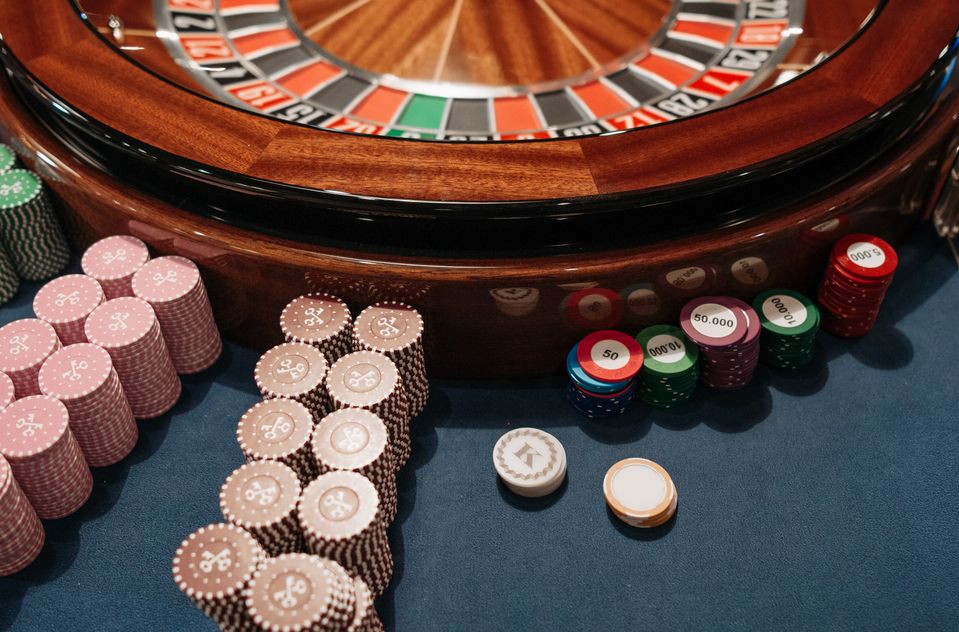
How European Roulette Shapes Player Mind‑Sets – Why the Odds Feel Better Than Those in Las Vegas

The roulette wheel has become a symbol of casino glamour: a glittering ball dancing around a red‑and‑black wheel under the neon glow of a Las Vegas casino floor, while a line of eager players watches each spin with bated breath. Across the Atlantic, the same game appears on sleek, high‑definition screens, the single‑zero wheel rotating in a quiet, digital lounge. The visual contrast is striking, but the real difference lies in the numbers that sit behind the wheel.

European roulette uses a single zero, giving the house a 2.70 % edge, whereas its American counterpart adds a double zero and pushes the edge to 5.26 %. That gap may seem small, yet it reshapes how players feel about risk, fairness, and the possibility of winning. Many enthusiasts from the Middle East begin their search for a trustworthy platform by consulting lists of the top betting sites in uae, where the distinction between single‑ and double‑zero tables is often highlighted.

In this article we will explore how that statistical advantage translates into a psychological edge. We will break down the mathematics, examine the cognitive biases that surface when odds improve, look at how community dynamics shift around a “fairer” wheel, compare the brick‑and‑mortar experience with the online world, and finally glance at emerging trends that could deepen the connection between numbers and mindset.

1. The Numbers Behind the Wheel: Why European Roulette Gives a Real Edge

European roulette’s layout consists of 37 pockets: numbers 1‑36 alternating red and black, plus a single green zero. The probability of landing on any single number is therefore 1/37, or 2.70 %. When you place a straight‑up bet, the casino pays 35 : 1, which yields an expected return of 97.30 % (100 % – 2.70 %).

In the American version the wheel adds a second green pocket (00), expanding the field to 38 numbers. The same 35 : 1 payout now translates to an expected return of 94.74 %, a full 2.56 % lower than the European wheel.

Consider three common wagers:

Bet type Payout (European) House edge (European) Payout (American) House edge (American)
Red/Black (18 numbers) 1 : 1 2.70 % 1 : 1 5.26 %
Single number 35 : 1 2.70 % 35 : 1 5.26 %
Column (12 numbers) 2 : 1 2.70 % 2 : 1 5.26 %

Even a modest 2.7 % edge becomes noticeable over a 100‑spin session. If a player wagers $10 per spin, the expected loss on a European table is $27, whereas on an American table it climbs to $52.6. That $25.6 difference can be the deciding factor between walking away with a modest profit or leaving the table empty‑handed.

Psychologically, the lower edge creates an “illusion of control.” Players sense that the game is less tilted against them, which reinforces the belief that skillful choices—such as betting on red after a streak of blacks—can sway outcomes. The perception of fairness, even if mathematically identical in randomness, fuels confidence and encourages longer play sessions.

2. Cognitive Biases at Play: How Better Odds Alter Decision‑Making

When the house edge shrinks, several well‑known cognitive biases surface more strongly.

  • Optimism bias – Players overestimate their chances of winning, especially after a few successful spins on a single‑zero wheel. The belief that “the odds are on my side” grows louder when the statistical disadvantage is visibly smaller.
  • Gambler’s fallacy – The classic notion that a red streak must be followed by black becomes more persuasive when losses feel less punitive. A player may double a bet after three reds, convinced that the wheel “owes” a black.
  • Availability heuristic – Recent wins are easier to recall than the many neutral or losing spins that occurred earlier. Because European roulette often yields a higher win‑rate in the short term, those wins dominate memory, skewing risk assessment.

Anecdote: Ahmed, an avid player from Dubai, switched from an American double‑zero table to a European single‑zero live‑dealer room after a week of losing streaks. Within three days he hit a $250 win on a column bet, which he described as “the moment I realized the wheel was finally on my side.” The experience reduced his loss‑aversion friction and made him more willing to place larger wagers on high‑variance bets like straight‑ups.

Framing also matters. “European roulette offers a 2.7 % edge” sounds like a modest concession, whereas “American roulette loses you 5 % on average” reads as a heavy tax. The former framing encourages players to view the game as a partnership, the latter as a predatory gamble. Consequently, bankroll management improves: players on European tables tend to allocate a higher proportion of their total bankroll to each session, believing the risk‑to‑reward ratio is more favorable. Session length follows suit; a typical European session lasts 45‑60 minutes, compared with 30‑40 minutes on an American wheel where the perceived loss rate accelerates fatigue.

3. The Social Dimension: Community, Competition, and the European Table

A physical Las Vegas floor buzzes with clinking glasses, dealer chatter, and the occasional cheer when the ball lands on a player’s number. In contrast, many European‑style online tables now feature live‑dealer streams, chat windows, and real‑time tip sharing. The sense of fairness that stems from the lower edge spills over into the social fabric of the game.

  • Players are more inclined to exchange strategies—such as “bet on the first dozen after a zero”—when they feel the house isn’t cheating them.
  • Community members often celebrate each other’s wins, posting screenshots of a $500 straight‑up payout with emojis and encouraging newcomers to try the same approach.
  • Live‑streamed tournaments showcase European roulette strategies, turning the wheel into a spectator sport. Viewers can place “virtual bets” on which player will hit the next red, adding a layer of competition without risking real money.

For gamblers living in regions where brick‑and‑mortar casinos are scarce, the chat‑enabled environment reduces isolation. A player in Riyadh can log into a European live‑dealer room, hear the dealer’s friendly banter, and receive instant feedback from a global audience. This “club‑like” atmosphere deepens immersion and makes the act of wagering feel less like a solitary transaction and more like a shared experience.

4. From Brick to Click: How the Online Shift Reinforces the Psychological Edge

The migration of European roulette to digital platforms has amplified the perceived advantage in several ways.

  • Instant statistics – Most online casinos display the exact RTP (return‑to‑player) for each table, often highlighting the 97.30 % figure. Seeing the number in real time reassures players that the game is transparent.
  • Customizable limits – Users can set minimum and maximum bets that match their bankroll, a flexibility rarely offered on a casino floor where tables have fixed limits.
  • RNG verification – Reputable sites provide third‑party audit certificates (e.g., eCOGRA) that can be viewed with a click, reinforcing trust in the randomness of each spin.

Mobile apps let players “play the edge” on commutes or during a coffee break, turning short bursts of wagering into habit loops reinforced by push notifications that say, “Your last European session yielded a 2.5 % profit—keep the streak alive!” Such cues strengthen the brain’s reward circuitry, encouraging repeat play.

Regulatory safeguards in European jurisdictions—mandatory licensing, regular audits, and strict data‑privacy laws—further cement the feeling of safety. Players who value privacy often gravitate toward platforms that accept crypto gambling, because blockchain transactions add an extra layer of anonymity while still complying with local licensing.

All these factors combine to produce higher retention rates for European tables. A study of an online casino’s player cohort showed that users who primarily played single‑zero roulette returned 30 % more often than those who favored double‑zero tables, even after controlling for bonus usage and deposit size.

5. Future Trends: What the Next Generation of European Roulette Means for Players

The next wave of innovation promises to deepen the bond between mathematics and mindset.

  • Virtual reality (VR) roulette rooms – Imagine stepping into a digital Monte Carlo casino, hearing the wheel spin in 3‑D, and watching your avatar place chips on a single‑zero layout. The immersive environment heightens the sense of presence, making the 2.7 % edge feel like a personal advantage rather than an abstract statistic.
  • AI‑driven coaching bots – Some platforms are testing virtual assistants that analyze a player’s betting pattern in real time, offering suggestions such as “increase your column bet after three consecutive reds.” By framing advice around the lower house edge, these bots reinforce the narrative of “playing smarter, not harder.”
  • Gamified loyalty programs – Future schemes may award points not just for wagering volume but for “edge‑based performance” – e.g., maintaining a positive expected value over a 200‑spin window. Points could be redeemed for free spins, crypto‑cashback, or exclusive tournament seats.

Data analytics will also become more granular. Players will be able to export heat maps of their win‑loss distribution, compare personal RTP against the theoretical 97.30 % benchmark, and adjust strategies on the fly. Such transparency turns the wheel into a personal laboratory for risk management.

Regulatory bodies are beginning to consider mandating single‑zero wheels in new markets, especially where consumer protection is a priority. If a jurisdiction adopts a “single‑zero only” rule, the psychological narrative will shift from “choose the better wheel” to “the law protects you,” further solidifying trust.

Marketers are already leveraging the “better odds” story to attract younger audiences. Campaigns on social media feature influencers spinning a European wheel on their phones, captioned with hashtags like #PlaySmart and #LowEdge. The message resonates with a generation that values online sportsbook experiences, sports betting bonuses, and the ability to keep personal data private.

In sum, the evolution of European roulette is a dance between cold numbers and warm psychology. As technology makes the edge more visible and the experience more immersive, players will continue to feel that they are not just gambling—they are engaging in a calculated, socially enriched, and increasingly personalized game.

Conclusion

European roulette’s lower house edge does more than shave a few percentage points off the casino’s profit margin; it reshapes the entire player mindset. The statistical advantage fuels optimism, reduces loss aversion, and encourages risk‑taking, while the online environment amplifies transparency and community. Together, these forces create a compelling proposition for seasoned high‑rollers and curious newcomers alike.

Understanding the psychological drivers behind the “better odds” narrative helps players make smarter wagering decisions and enables operators to design products that are both engaging and responsible. As the wheel spins into the future—whether in VR, on a mobile screen, or behind a live dealer’s smile—the marriage of mathematics and mindset will remain the engine that keeps European roulette at the heart of the casino experience.

Vérification express : comment les casinos en ligne simplifient le KYC tout en boostant vos bonus pour la nouvelle année

Les fêtes de fin d’année sont synonymes de soirées prolongées, de cadeaux et, pour beaucoup de joueurs, de dépôts impulsifs. On veut placer son argent, profiter d’un bonus de dépôt et repartir immédiatement aux machines à sous ou aux tables de poker. Or, la lenteur du processus de vérification d’identité (KYC) transforme souvent ce moment de joie en une source de frustration.

Dans le passé, chaque nouveau compte devait fournir plusieurs documents : pièce d’identité, justificatif de domicile, relevé bancaire. Le traitement pouvait prendre plusieurs jours, voire une semaine, avant que le joueur ne voie son solde crédité. Aujourd’hui, les opérateurs rivalisent d’ingéniosité pour raccourcir ce délai, car chaque seconde perdue représente un abandon de dépôt. Pour ceux qui recherchent un casino en ligne paiement rapide, la rapidité du KYC devient un critère de choix aussi important que le taux de redistribution (RTP) ou la variété des jeux.

Cet article décortique les solutions techniques qui accélèrent la vérification, montre comment elles s’articulent avec les méthodes de paiement et explique comment les bonus du Nouvel‑An sont conditionnés à une validation express. Nous verrons également quelles précautions prendre pour protéger ses données personnelles.

Le défi KYC en 2024 – pourquoi les joueurs abandonnent les sites lents

En 2024, les études de comportement montrent que 30 % des joueurs qui rencontrent un temps de validation supérieur à deux minutes abandonnent le processus de dépôt. Ce chiffre grimpe à 45 % lorsqu’une vérification dépasse les 10 minutes, surtout pendant la période de promotions intensives.

Les régulateurs européens imposent des exigences strictes : lutte contre le blanchiment d’argent (LCB), prévention du financement du terrorisme et protection du consommateur. Les casinos doivent donc collecter des documents fiables, vérifier l’authenticité et conserver les informations pendant plusieurs années. Cette lourde chaîne de conformité explique en partie les délais traditionnels.

Pour les opérateurs, le problème se double d’un impact direct sur les campagnes de bonus. Un bonus de dépôt de 200 % + 100 tours gratuits, très attractif en théorie, ne génère de revenu que si le joueur parvient à finaliser son dépôt avant la fin de la promotion, généralement le 31 décembre. Un KYC lent transforme alors une offre alléchante en un simple « clic‑et‑oublie ».

Situation Temps moyen de KYC Taux d’abandon de dépôt Impact sur le bonus
Vérification manuelle (PDF) 8‑12 min 42 % Bonus partiel ou non débloqué
OCR + IA (30 s‑2 min) 1‑2 min 18 % Bonus complet activé
Vérif express intégrée au paiement < 30 s 9 % Bonus maximal garanti

Les opérateurs qui ne modernisent pas leur processus voient leurs coûts d’acquisition augmenter, car ils doivent compenser les abandons par des offres plus généreuses ou des campagnes publicitaires plus lourdes.

Les technologies qui accélèrent la vérification d’identité

OCR et intelligence artificielle

L’OCR (reconnaissance optique de caractères) lit automatiquement les champs d’une pièce d’identité – nom, date de naissance, numéro – et les compare à la base de données du fournisseur. L’IA intervient ensuite pour détecter les altérations, les hologrammes et la cohérence des données. Le résultat : une validation en 30 secondes à 2 minutes, selon la qualité de l’image.

Biométrie et liveness detection

Le selfie couplé à une analyse de profondeur (détection de mouvements, clignements) garantit que la photo provient bien du titulaire du document. Les algorithmes de liveness detection éliminent les tentatives d’utilisation de photos statiques ou de deepfakes. Cette couche ajoute une sécurité supplémentaire tout en restant invisible pour le joueur.

API tierces : Jumio, Onfido, Veriff

Des plateformes spécialisées proposent des kits d’intégration (SDK) qui prennent en charge l’ensemble du flux : capture, OCR, biométrie, décision. Les casinos qui les adoptent constatent une réduction moyenne de 75 % du temps de traitement.

Exemple : un casino français a intégré l’API de Jumio en décembre 2023. Le temps moyen de validation est passé de 6 minutes à 45 secondes, et le taux de refus a chuté de 4 % à 1,2 % grâce à la meilleure qualité d’image imposée par le SDK.

Ces technologies, combinées à des serveurs en Europe conformes au RGPD, offrent un équilibre entre rapidité et conformité.

Comment les méthodes de paiement influencent le KYC

Les solutions de paiement ne sont pas neutres vis‑à‑vis du KYC.

  • E‑wallets (Skrill, Neteller, PayPal) : les fonds sont déjà pré‑authentifiés, ce qui réduit les exigences documentaires. Un joueur peut déposer 100 €, créer son compte et obtenir le bonus en moins de deux minutes.
  • Cartes prépayées : le numéro de série et le solde sont vérifiés en temps réel, limitant le besoin de justificatif de domicile.
  • Virements bancaires : exigent souvent une preuve de provenance des fonds, allongeant le processus de vérification.

Les licences de jeu jouent également un rôle. Un casino sous licence de Malte (MGA) doit appliquer des contrôles plus stricts que celui sous licence de Curaçao, notamment en matière de provenance des fonds.

Flux typique : paiement instantané → vérification express via OCR/biométrie → validation du bonus.

Ce modèle est particulièrement efficace pendant les promotions du Nouvel‑An, où chaque minute compte pour profiter du « bonus de dépôt 200 % + 100 tours ».

Le bonus de Nouvel‑An comme incitatif à la vérification rapide

Les offres de début d’année sont souvent les plus généreuses du calendrier. Un casino français propose typiquement :

  • Bonus de dépôt : 200 % jusqu’à 500 €, + 100 tours gratuits sur Starburst (RTP = 96,1 %).
  • Condition de déclenchement : vérification d’identité terminée avant le 5 janvier.

Les opérateurs mesurent l’efficacité de cette contrainte en comparant le taux de conversion avant et après l’introduction d’une vérif express.

Période Taux de conversion (dépot → bonus) Bonus moyen débloqué
Avant vérif express (2023) 22 % 150 €
Après vérif express (2024) 38 % 280 €

Le gain de 16 points de pourcentage s’explique par la réduction du temps d’attente, qui élimine le doute du joueur et le pousse à finaliser son dépôt pendant la fenêtre promotionnelle.

Guide pas‑à‑pas : passer la vérification en moins de deux minutes

  1. Créer le compte et choisir le mode de paiement rapide
  2. Sélectionnez un e‑wallet ou une carte prépayée dès l’inscription.
  3. Le système affichera immédiatement le montant maximal du bonus.

  4. Télécharger la pièce d’identité

  5. Format : JPEG ou PNG, taille maximale 5 Mo.
  6. Qualité : fond neutre, texte lisible, pas de reflets.
  7. L’OCR analysera le document en temps réel ; si une zone est floue, l’interface propose une nouvelle capture.

  8. Prendre le selfie

  9. Éclairage naturel, visage centré, pas de lunettes teintées.
  10. Activez la fonction « liveness detection » : clignez des yeux ou tournez légèrement la tête sur demande.

  11. Validation instantanée et activation du bonus

  12. En moins de 90 secondes, le système renvoie le statut « vérifié ».
  13. Le bonus apparaît dans le tableau de bord, prêt à être misé.

Astuces pour éviter les blocages

  • Utilisez exactement le même nom que sur le document officiel.
  • Vérifiez que l’adresse postale correspond au justificatif de domicile (facture d’électricité, relevé bancaire).
  • Évitez les filtres Instagram ou les cadres décoratifs sur les photos.

Sécurité des données personnelles – ce que les joueurs doivent savoir

Les casinos qui proposent la vérif express chiffrent toutes les transmissions avec SSL/TLS 1.3. Les documents sont stockés dans des data‑centers situés en Europe, sous le régime du RGPD.

  • Durée de conservation : la plupart des opérateurs conservent les pièces d’identité pendant 5 ans, puis les suppriment ou les anonymisent.
  • Accès : le joueur peut demander à tout moment un export de ses données via le tableau de bord.
  • Rectification et suppression : le processus de demande est généralement automatisé et traité sous 30 jours.

En cas de doute, consultez des ressources indépendantes comme Fpmm, qui répertorie les politiques de confidentialité des casinos français et propose des liens vers les déclarations de conformité.

Cas pratiques : deux casinos qui ont réduit le temps KYC de 80 %

Casino Solution mise en place Résultat clé
Casino A Intégration d’une API AI (Onfido) + vérif biométrique intégrée au paiement e‑wallet Temps moyen KYC = 45 s, taux d’abandon -12 %
Casino B Partenariat avec un wallet crypto (Coinbase Wallet) permettant la vérif via adresse publique Vérif express < 30 s, bonus de dépôt 150 % dès la première transaction, hausse du volume de dépôt de 22 %

Ces exemples montrent que la technologie, combinée à un choix de paiement adapté, peut transformer l’expérience joueur. Les leçons à retenir : automatiser le flux dès la capture d’image, choisir des fournisseurs certifiés et offrir des incitations claires (bonus) pour encourager la finalisation rapide.

Stratégies pour profiter au maximum des bonus tout en restant sécurisé

  • Planifier ses dépôts : ciblez les créneaux 1‑5 janvier, où les promotions sont les plus généreuses et les équipes de support sont pleinement opérationnelles.
  • Utiliser des méthodes à faible friction : privilégiez les e‑wallets ou les cartes prépayées, qui exigent moins de documents.
  • Respecter les exigences KYC : soumettez les pièces d’identité dès la création du compte pour éviter que vos gains ne soient gelés.
  • Suivre les limites de mise : chaque bonus comporte un wagering (ex : 30× le bonus). Calculez le montant nécessaire avant de jouer.

Checklist de fin d’année « prêt à jouer »

  • [ ] Compte créé et e‑wallet lié.
  • [ ] Pièce d’identité téléchargée, selfie validé.
  • [ ] Bonus de Nouvel‑An activé et conditions de mise notées.
  • [ ] Méthode de retrait configurée (retrait immédiat ou retrait instantané).
  • [ ] Vérification des paramètres de sécurité (2FA, notifications).

En suivant ces étapes, le joueur maximise ses chances de profiter du plein potentiel des offres tout en restant protégé contre les fraudes.

Conclusion

La vérification express montre qu’il est possible d’allier sécurité des paiements et accès instantané aux bonus de Nouvel‑An. Grâce à l’OCR, à la biométrie et aux API spécialisées, les casinos français réduisent le temps de KYC de plusieurs minutes à quelques secondes, tout en respectant les exigences du RGPD et des licences de jeu.

Pour le joueur, cela se traduit par un gain de temps précieux, une protection renforcée des fonds et la possibilité de débloquer le bonus complet dès le premier dépôt. Consultez des ressources comme Fpmm pour comparer les politiques de chaque site et choisir la solution qui correspond le mieux à vos besoins.

Testez dès la première semaine de janvier les casinos qui offrent une vérif express, choisissez un mode de paiement à retrait immédiat et profitez de vos promotions sans attendre. Restez vigilant, protégez vos données, et que la chance soit avec vous pour cette nouvelle année de jeu responsable.

Strategie di sincronizzazione cross‑device per casinò: come ottimizzare l’esperienza di gioco mobile nel 2026

Nel 2026 i giocatori di casinò online non si limitano più a una sola postazione: il desktop, il tablet e lo smartphone sono tutti strumenti di gioco contemporaneamente. Questa evoluzione è spinta da connessioni più veloci, da una maggiore familiarità con le app mobili e da una domanda di continuità che va oltre la semplice possibilità di accedere al proprio account da più dispositivi. Gli operatori devono garantire che il saldo, le promozioni attive e le sessioni di gioco siano perfettamente allineati, altrimenti rischiano di perdere fiducia e, di conseguenza, quote di mercato.

Le sfide tecniche sono molteplici: dalla gestione dei dati in tempo reale alla sicurezza delle transazioni, passando per la resa grafica su schermi di dimensioni diverse. Inoltre, la pressione normativa – in particolare per quanto riguarda la protezione dei dati personali – richiede architetture robuste e auditabili. Per affrontare questi ostacoli, le piattaforme devono adottare strategie di sincronizzazione che coniughino scalabilità, performance e un’esperienza utente fluida.

Chi ha valutato le soluzioni più recenti ha notato che consultare elenchi curati di provider e tecnologie può accelerare il processo decisionale; un rapido sguardo su Designeast ha permesso di confrontare le opzioni disponibili prima di scegliere la direzione più adatta al proprio casinò. Scoprendo le ultime tendenze di integrazione, è possibile approfondire le migliori soluzioni di gioco su più dispositivi visitando la sezione dedicata al casino online italia.

1. Il panorama attuale delle piattaforme di gioco cross‑device

Il mercato dei giochi d’azzardo online è dominato da tre tipologie di piattaforme: i provider tradizionali basati su Flash, le soluzioni HTML5 e le architetture native‑cloud. I primi stanno rapidamente scomparendo, incapaci di offrire la reattività richiesta da 5G e da schermi ad alta risoluzione. L’HTML5, ormai maturo, permette di distribuire un unico codice su desktop, tablet e smartphone, riducendo i costi di sviluppo e garantendo aggiornamenti simultanei.

Le piattaforme native‑cloud, invece, sfruttano container Docker e micro‑servizi per separare la logica di gioco dalla presentazione. Questo approccio consente di scalare le parti più critiche (ad esempio il motore di slot) senza influire sul front‑end. Un esempio concreto è la suite di giochi di NetEnt Cloud, che offre streaming di slot 3D in tempo reale sia su iOS che su Android, mantenendo il medesimo RTP e la stessa volatilità.

Le tendenze emergenti includono l’integrazione di AI per personalizzare le offerte in base al dispositivo usato e l’adozione di Progressive Web App (PWA) che combinano il meglio delle app native con la distribuzione via web. I migliori casino online in Italia stanno già sperimentando queste soluzioni per ridurre il tempo di caricamento sotto i due secondi, un fattore decisivo per il tasso di conversione.

Tipo di piattaforma Tecnologie chiave Vantaggi principali Svantaggi
Tradizionale Flash ActionScript, Flash Player Compatibilità legacy Obsoleto, vulnerabilità
HTML5 JavaScript, WebGL, Canvas Unico codice, ampia compatibilità Richiede ottimizzazione per dispositivi low‑end
Native‑cloud Docker, Kubernetes, gRPC Scalabilità, isolamento, aggiornamenti hot Complessità operativa, costi iniziali

2. Architetture di backend scalabili per la sincronizzazione in tempo reale

Una sincronizzazione efficace parte da un backend capace di gestire eventi in tempo reale. Le architetture basate su Event Sourcing e CQRS (Command Query Responsibility Segregation) permettono di registrare ogni azione del giocatore (puntata, vincita, aggiornamento bonus) come evento immutabile. Questi eventi vengono poi propagati tramite bus di messaggi come Kafka o RabbitMQ, garantendo che tutti i dispositivi ricevano le stesse informazioni quasi simultaneamente.

I micro‑servizi dedicati al wallet, al profilo utente e al motore di gioco operano in modo indipendente, ma condividono lo stesso event log. Quando un giocatore ottiene un bonus benvenuto su desktop, l’evento “BonusCredited” viene pubblicato e subito consumato dal servizio di notifica mobile, che aggiorna l’interfaccia del tablet in meno di 300 ms.

Per assicurare la consistenza, è consigliabile implementare meccanismi di idempotenza: ogni chiamata include un identificatore unico (UUID) che evita doppi accrediti in caso di ritrasmissioni. Inoltre, l’uso di database a colonne (es. ClickHouse) per le analisi comportamentali consente di aggregare i dati in tempo reale senza impattare le transazioni di gioco.

Infine, la resilienza è garantita da pattern di circuit‑breaker e fallback. Se il servizio di streaming dei jackpot subisce un picco di traffico, le richieste vengono temporaneamente deviate verso una cache in memoria (Redis) che fornisce dati “quasi‑freschi” fino al ripristino del servizio primario.

3. Tecnologie di streaming e rendering 3D su browser mobile

Il rendering 3D su dispositivi mobili è ormai una realtà grazie a WebGL 2.0 e a motori come Babylon.js e Three.js. Queste librerie permettono di trasmettere scene complesse direttamente dal browser, riducendo la necessità di download di asset pesanti. Per i casinò, la sfida è mantenere alta la qualità grafica senza sacrificare la latenza, soprattutto per giochi con jackpot progressivi.

Le soluzioni di streaming, come Amazon Interactive Video Service (IVS) o Azure PlayFab Live Streaming, inviano sequenze video codificate in H.264 o AV1 a bitrate adattivi. Il client mobile decodifica il flusso in tempo reale, offrendo un’esperienza quasi identica a quella di un’app nativa. Un caso di studio riguarda la slot “Dragon’s Treasure” di Pragmatic Play, che utilizza streaming 4K a 30 fps su dispositivi 5G, mantenendo un RTP del 96,5 %.

Per ottimizzare il consumo energetico, è consigliabile attivare il rendering basato su “progressive mesh”, che carica solo i poligoni visibili nella viewport corrente. Inoltre, l’uso di texture compresse (ASTC su Android, PVRTC su iOS) riduce la banda necessaria, migliorando i tempi di avvio.

Le PWA possono combinare queste tecnologie con Service Worker per memorizzare offline le texture più usate, consentendo di avviare il gioco anche con connessioni intermittenti. In questo modo, il casinò garantisce continuità di gioco e riduce il tasso di abbandono durante i picchi di traffico.

4. Gestione unificata dell’identità utente e della sicurezza dei dati

Un’identità centrale è il fulcro di qualsiasi strategia cross‑device. L’adozione di OpenID Connect (OIDC) combinata con OAuth 2.0 permette di autenticare il giocatore una sola volta e di propagare il token di accesso a tutti i front‑end. I token JWT includono claim specifici (es. “role”: “player”, “region”: “IT”) che facilitano il controllo delle policy di gioco per paese.

Per proteggere i dati sensibili, è fondamentale crittografare sia a riposo (AES‑256) che in transito (TLS 1.3). L’uso di HSM (Hardware Security Module) per la gestione delle chiavi di crittografia riduce il rischio di compromissione. Inoltre, i casinò devono implementare meccanismi di Multi‑Factor Authentication (MFA) basati su push notification o OTP via SMS, soprattutto per operazioni di prelievo.

La conformità al GDPR richiede la possibilità di anonimizzare o cancellare i dati su richiesta. Una strategia efficace consiste nel separare i dati personali (nome, email) da quelli di gioco (saldo, storico puntate) in database distinti, così da poter eliminare rapidamente le informazioni identificabili senza interrompere i processi di analisi.

Infine, il monitoraggio continuo delle anomalie tramite sistemi SIEM (Security Information and Event Management) consente di rilevare attività sospette, come login simultanei da geolocalizzazioni incompatibili, e di bloccare immediatamente l’account fino a verifica manuale.

5. Ottimizzazione delle performance di rete: CDN, edge computing e 5G

Le performance di rete determinano la percezione di velocità da parte del giocatore. Una Content Delivery Network (CDN) distribuisce statici – script, texture, video teaser – nei nodi più vicini all’utente, riducendo il tempo di round‑trip a pochi millisecondi. Provider come Cloudflare e Akamai offrono anche funzioni di edge computing, permettendo di eseguire logica di business (es. verifica del bonus) direttamente al bordo della rete.

Con il 5G, la latenza scende sotto i 10 ms, aprendo la porta a giochi live dealer con streaming in 1080p a 60 fps. Tuttavia, la variabilità della copertura richiede fallback su 4G o LTE, per cui è consigliabile implementare algoritmi di adattamento dinamico del bitrate (ABR) che mantengono la continuità del gioco anche con fluttuazioni di banda.

Un approccio ibrido combina CDN per i contenuti statici e una rete di micro‑data center edge per le operazioni critiche, come la gestione delle puntate in tempo reale. Questo riduce il carico sui data center centrali e migliora la resilienza: in caso di guasto di un nodo edge, il traffico viene automaticamente reindirizzato a un nodo di backup senza interruzioni percepibili.

Per i casinò che offrono bonus benvenuto, è possibile pre‑caricare i pacchetti promozionali (coupon, giri gratuiti) sui server edge, così che il giocatore li riceva istantaneamente al login, aumentando il tasso di attivazione delle offerte.

6. Design responsivo vs. design adattivo: quale approccio scegliere?

Il design responsivo utilizza media query CSS per far sì che lo stesso markup si adatti a qualsiasi larghezza di schermo. È semplice da mantenere, ma può comportare compromessi sulla disposizione di elementi complessi, come le tabelle di pagamento delle slot. Il design adattivo, invece, prevede layout distinti per gruppi di dispositivi (desktop, tablet, smartphone) e può sfruttare componenti UI ottimizzati per ciascuna categoria.

Per i giochi con tavoli live, l’adattivo è spesso preferibile: su tablet è possibile mostrare sia la vista del dealer che la chat in pannelli affiancati, mentre su smartphone si opta per una visuale a schermo intero con la chat accessibile tramite overlay. D’altra parte, per le pagine di registrazione o le sezioni di FAQ, il responsivo garantisce coerenza e riduce il tempo di sviluppo.

Una buona pratica è adottare un approccio ibrido: utilizzare componenti UI responsivi per gli elementi di base (bottoni, form) e introdurre layout adattivi per le sezioni ad alta intensità grafica.

  • Vantaggi del design responsivo
  • Codice unico, aggiornamenti centralizzati
  • Buona indicizzazione SEO su tutti i dispositivi

  • Vantaggi del design adattivo

  • Esperienza ottimizzata per ogni classe di device
  • Maggiore controllo su performance e caricamento delle risorse

La scelta dipende dal profilo del pubblico: se il 70 % degli utenti accede da smartphone, l’adattivo per le pagine di gioco è consigliato, mentre le funzioni amministrative possono restare responsivi.

7. Integrazione di wallet digitali e criptovalute su più device

Le criptovalute stanno diventando un metodo di pagamento privilegiato nei migliori casino online, grazie a transazioni quasi istantanee e commissioni ridotte. L’integrazione richiede un wallet digitale centralizzato, accessibile sia da app mobile che da browser desktop, con chiavi private custodite in cold storage per la maggior parte dei fondi.

Una soluzione comune è l’uso di API di terze parti come BitPay o Coinbase Commerce, che gestiscono la conversione da fiat a crypto e forniscono webhook per notificare gli aggiornamenti di saldo in tempo reale. Quando un giocatore deposita 0,01 BTC da smartphone, il webhook aggiorna immediatamente il wallet interno e invia un push notification che mostra il nuovo balance, sincronizzato anche sul desktop.

Le normative italiane richiedono l’identificazione KYC (Know Your Customer) anche per le transazioni crypto superiori a 1 000 €. Pertanto, il flusso di onboarding deve includere una verifica documentale, gestita tramite servizi di verifica digitale (es. Onfido) che operano su tutti i device.

Per migliorare l’esperienza, è possibile offrire un “crypto bonus” che converte una percentuale del deposito in token di loyalty, utilizzabili sia per scommesse che per acquisti di merch. Inoltre, l’uso di QR code per i pagamenti mobile semplifica il processo: il giocatore scansiona il codice con l’app wallet, conferma la transazione e il saldo si riflette in pochi secondi.

8. Analisi dei dati comportamentali cross‑device per il marketing personalizzato

Raccogliere dati su come i giocatori interagiscono con il casinò su diversi device permette di creare campagne di marketing più mirate. Gli eventi di click, tempo di gioco, importi scommessi e tipologia di giochi vengono consolidati in un data lake basato su Amazon S3 o Google Cloud Storage. Da lì, strumenti di analytics come Snowflake o BigQuery consentono di eseguire query in tempo reale per segmentare gli utenti.

Un esempio pratico: un giocatore che utilizza principalmente il tablet per le slot a tema fantasy ma accede da desktop per i tornei di poker può ricevere un’offerta “giri gratuiti su Slot Fantasy” via notifica push sul tablet, mentre una mail con bonus di buy‑in per il torneo di poker viene inviata al suo indirizzo email, associato al login desktop.

Le tecniche di machine learning, come i modelli di clustering (K‑means) e le reti neurali per la previsione del churn, identificano i profili a rischio di abbandono. Una volta individuati, è possibile intervenire con un “bonus di riattivazione” personalizzato, ad esempio un credito di €10 valido per 48 ore su tutti i device.

Per garantire la privacy, tutti i dati devono essere anonimizzati prima di essere utilizzati per scopi di profilazione, rispettando le linee guida del GDPR.

9. Test automatizzati e monitoraggio continuo della sincronizzazione

Il testing è cruciale per evitare disallineamenti tra i device. Gli scenari di test automatizzati dovrebbero includere:

  • Verifica del saldo dopo una puntata su desktop e controllo del valore su smartphone.
  • Simulazione di perdita di connessione 5G e riconnessione, assicurando che le transazioni pendenti vengano ripristinate.
  • Test di sicurezza per le API di wallet su tutti i canali.

Strumenti come Cypress per il front‑end e Postman/Newman per le API consentono di creare suite di test end‑to‑end eseguite in pipeline CI/CD (GitLab CI o GitHub Actions). Per il monitoraggio in produzione, è consigliabile utilizzare piattaforme APM (Application Performance Monitoring) come New Relic o Datadog, impostando alert su metriche chiave: latency > 200 ms, tasso di errore > 0,5 % o discrepanze di saldo tra device.

Un approccio di “canary release” permette di rilasciare nuove funzionalità a una piccola percentuale di utenti, monitorando i log di sincronizzazione prima di estendere il rollout. Questo riduce il rischio di bug che potrebbero compromettere l’esperienza di gioco e, di conseguenza, la reputazione del casinò.

10. Roadmap strategica per l’implementazione di una soluzione cross‑device nel 2027

Q1‑2026 – Analisi preliminare
– Mappare il flusso di gioco attuale su tutti i device.
– Identificare le lacune di performance (latency, errori di sincronizzazione).
– Definire i KPI: tempo medio di sincronizzazione < 250 ms, uptime del servizio di wallet > 99,9 %.

Q2‑2026 – Progettazione dell’architettura
– Scegliere micro‑servizi basati su Kubernetes con supporto a Event Sourcing.
– Selezionare CDN ed edge compute provider (es. Cloudflare Workers).
– Stabilire protocolli di autenticazione OIDC e MFA.

Q3‑2026 – Sviluppo e integrazione
– Implementare il motore di gioco in HTML5 con fallback su WebGL per dispositivi low‑end.
– Integrare wallet crypto tramite API BitPay, con webhook per aggiornamenti in tempo reale.
– Costruire il data lake e i modelli di analytics comportamentale.

Q4‑2026 – Test e ottimizzazione
– Eseguire test end‑to‑end su dispositivi reali (iPhone 15, Galaxy S24, iPad Pro).
– Ottimizzare la compressione delle texture e il bitrate streaming per 5G.
– Rilasciare una versione beta a un gruppo di 5 % di utenti, raccogliendo feedback su UI/UX.

Q1‑2027 – Lancio graduale
– Attivare il rollout completo con monitoraggio APM, alert su SLA.
– Avviare campagne di marketing personalizzate basate sui dati cross‑device raccolti.
– Monitorare il tasso di attivazione dei bonus benvenuto su ogni device, puntando a un incremento del 12 % rispetto al 2025.

Q2‑2027 – Revisione e scaling
– Analizzare i KPI, identificare colli di bottiglia e pianificare scaling verticale o orizzontale.
– Aggiornare le policy di sicurezza in base a eventuali incidenti.
– Preparare il piano di evoluzione per il 2028, includendo AR/VR e esperienze immersive.

Seguendo questa roadmap, i decision‑maker potranno trasformare la loro offerta in un ecosistema veramente omnicanale, capace di soddisfare le esigenze dei giocatori più esigenti e di mantenere una posizione di leadership nel mercato dei migliori casino online in Italia.

Conclusione

La sincronizzazione cross‑device non è più un optional, ma una necessità strategica per i casinò che vogliono rimanere competitivi nel 2026 e oltre. Abbiamo visto come un’architettura basata su micro‑servizi, supportata da CDN, edge computing e tecnologie di streaming avanzate, possa garantire continuità e performance. La gestione unificata dell’identità, l’integrazione di wallet digitali e l’analisi comportamentale forniscono gli strumenti per personalizzare offerte come bonus benvenuto e promozioni live, aumentando la fidelizzazione.

Implementare test automatizzati e monitorare costantemente i KPI è fondamentale per evitare interruzioni che potrebbero compromettere la fiducia dei giocatori. Infine, una roadmap chiara, con tappe ben definite, consente ai decision‑maker di pianificare investimenti e risorse in modo oculato, mirando a un’esperienza di gioco mobile fluida e senza interruzioni. Chi adotterà queste best practice potrà distinguersi tra i migliori casino online, offrendo un servizio che risponde alle aspettative di un pubblico sempre più esigente e mobile‑first.

Ring‑In the Wins: How Holiday‑Season Bonuses on Top Casino Platforms Turn Resolutions into Jackpot Realities

The holiday season brings more than twinkling lights and festive playlists; it also ignites a surge of optimism as players set New Year’s resolutions to “play smarter” and “win bigger.” Operators seize this momentum, rolling out limited‑time offers that turn ordinary deposits into amplified bankrolls. The atmosphere feels like a digital winter wonderland, where free spins snow down and cash‑back presents sit under a virtual tree, inviting both seasoned high‑rollers and newcomers to test their luck.

If you’re hunting for a reputable casino in Saudi Arabia, Idpielts can serve as a handy gateway to vetted platforms, regulatory guidance, and a snapshot of what each site is promoting for the season. The site itself does not rank operators, but it does list the latest holiday campaigns, helping you spot the most attractive bonus structures before you commit.

During December and January, bonus calendars explode with welcome packs, reload boosters, and “resolution‑breaker” cash‑back deals. These offers are crafted to disrupt typical saving habits, encouraging players to allocate a portion of their New Year budget to high‑potential wagering. By the time the clock strikes midnight on January 1st, many users find themselves already a few steps closer to that coveted jackpot, simply because they leveraged the seasonal extra credit.

The Holiday Bonus Landscape: What’s New for 2024?

2024’s holiday bonus playbook is richer than ever. Operators are stacking welcome packages with multi‑tiered deposit matches that climb from 100 % on the first deposit to 150 % on the third, each capped at higher maximums than in previous years. Reload boosters now often include a “mid‑season surge” that adds an extra 25 % match on deposits made between December 20 and January 5, but only for slots with RTP ≥ 96 %.

Free‑spin bundles have evolved into “spin‑and‑win” clusters: 30 spins on Starburst plus 20 on Gonzo’s Quest, all tied to a progressive jackpot that spikes during the holidays. The industry trend is also toward softer wagering caps; many platforms now require 20× instead of the traditional 35×, making it easier for casual players to clear bonuses before they expire.

Another notable development is the rise of “resolution‑breaker” cash‑back offers. Instead of a flat 5 % rebate, some sites provide a tiered structure where losses up to $500 are returned at 10 %, and losses between $500 and $2,000 get a 12 % rebate. This approach rewards disciplined play while still giving a safety net for those who chase bigger wins.

Finally, crypto gambling continues its ascent, with several platforms allowing bonus funds to be claimed in Bitcoin or Ethereum, reducing withdrawal friction and adding an extra layer of privacy for players in regions like Saudi Arabia.

Platform A vs. Platform B: Welcome Packages Compared

Feature Platform A Platform B
Deposit match 100 % up to $1,000 (first deposit) 150 % up to $800 (first deposit)
Subsequent matches 50 % up to $500 (2nd) / 75 % up to $750 (3rd) 100 % up to $600 (2nd) / 125 % up to $900 (3rd)
Free spins 50 spins on Book of Dead + 25 on Reactoonz 30 spins on Starburst + 40 on Jammin’ Jars
New‑Year perk $25 “resolution” credit after $100 wager 10 % cash‑back on losses for first week
Wagering requirement 20× bonus, 30× spins 25× bonus, 35× spins
Expiry 30 days 45 days

Platform A leans toward a higher cash ceiling, making it attractive for players who plan to fund a sizable bankroll right away. Its 20× wagering requirement on the bonus is among the most player‑friendly this season, and the inclusion of Book of Dead—a high‑volatility slot with 96.21 % RTP—caters to jackpot seekers.

Platform B, on the other hand, offers a more aggressive match on the second and third deposits, which can quickly boost a modest starter fund. The extra 10 % cash‑back during the first week acts as a loss‑mitigation tool, aligning well with resolution‑oriented players who want a safety net while they test new games. However, the 25× wagering requirement on the bonus and a shorter free‑spin expiry (seven days) may feel restrictive for those who prefer a slower rollout.

Overall, if you prioritize a high maximum bonus and lower wagering, Platform A edges ahead. If you value ongoing deposit incentives and a built‑in cash‑back cushion, Platform B presents a compelling alternative.

Reload & Loyalty Rewards: Keeping the Momentum Going

Mid‑season reload bonuses have become a staple of the holiday schedule. Platform A now runs a “Winter Reload” that adds a 30 % match on any deposit between $50 and $500, but only when the player uses a crypto wallet. Platform B counters with a “Festive Reload” offering a flat 40 % match up to $300 on traditional fiat deposits, plus an extra 5 % bonus on the same day if the player activates the loyalty tier “Silver.”

Loyalty schemes are also being super‑charged. Platform A’s point‑earning rate has risen from 1 point per $10 wagered to 1.5 points per $10 on slot games, while live‑dealer tables remain at the standard 0.5 points per $10. Reaching “Gold” status now unlocks a weekly 10 % cash‑back on net losses and a dedicated “Resolution‑Breaker” multiplier that doubles points earned on progressive jackpot slots.

Platform B introduced a “Holiday Tier” that temporarily boosts tier progression by 25 % during the December 26–January 3 window. Players who hit the “Platinum” tier during this period receive a one‑time 20 % deposit bonus usable on any game, plus exclusive access to a private jackpot pool that currently sits at $250,000.

Both platforms reward consistent play, but their approaches differ: Platform A leans on crypto incentives and point multipliers tied to jackpot eligibility, while Platform B emphasizes tier acceleration and fiat‑friendly reloads. Players should match their preferred currency and game mix to the scheme that offers the highest effective boost to their bankroll.

Free Spins Extravaganza: Slot Selections That Pay Out Big

Holiday free‑spin promotions are anchored by a handful of slots that combine high RTP with attractive volatility. Platform A’s spotlight is Jammin’ Jars, a 6‑reel, 20‑payline slot with an RTP of 96.83 % and medium‑high volatility. The free‑spin package includes 40 spins, each triggering a “Cluster Multiplier” that can double the payout on any winning cluster.

Platform B pushes Mega Joker (RTP 99.00 %, low volatility) and Dead or Alive 2 (RTP 96.58 %, high volatility). The former offers 25 free spins with a guaranteed win of at least $0.10 per spin, making it ideal for bankroll preservation. The latter provides 30 free spins where every spin contributes to a progressive jackpot that hit $1.2 million in late November, illustrating how holiday promotions can coincide with record‑breaking payouts.

A quick comparison:

  • Volatility – Jammin’ Jars (medium‑high) vs. Mega Joker (low) vs. Dead or Alive 2 (high).
  • RTP – 96.83 % vs. 99.00 % vs. 96.58 %.
  • Jackpot linkage – Only Dead or Alive 2 ties free spins directly to the progressive pool.

Players seeking frequent, smaller wins may gravitate toward Mega Joker, while those chasing a life‑changing hit should line up the high‑volatility titles. The holiday period often sees increased jackpot contributions, so aligning free‑spin selections with progressive‑linked games can maximize the chance of a “resolution‑breaker” moment.

Cash‑Back and Loss‑Protection Offers: Safety Nets for New‑Year Goals

Cash‑back offers this season are designed to cushion the inevitable variance of early‑year play. Platform A delivers a 10 % weekly cash‑back on net losses up to $1,000, with an additional 5 % boost for players who wager at least $500 on slots during the same week. The rebate is credited as bonus cash that can be withdrawn after a modest 5× wagering.

Platform B opts for a tiered loss‑rebate structure: 8 % cash‑back on losses up to $500, 12 % on $500‑$2,000, and 15 % on losses beyond $2,000, all payable as real cash with no wagering attached. This “no‑loss” guarantee is marketed as a resolution‑support tool, encouraging players to stay within a predetermined budget while still enjoying the holiday excitement.

Both operators cap the maximum monthly cash‑back at $2,500, ensuring the offers remain sustainable. For crypto‑friendly users, Platform A allows the rebate to be received in Bitcoin, which can be instantly transferred to a personal wallet—an appealing feature for those who value secure betting and quick access.

When comparing the two, Platform B’s higher percentages on larger losses provide a stronger safety net for aggressive players, whereas Platform A’s lower caps but wagering‑free cash‑back on smaller losses may suit casual players who prefer a straightforward, low‑commitment approach.

Jackpot‑Linked Bonuses: When a Bonus Triggers a Mega Win

A standout trend in 2024 is the emergence of “Jackpot Boost” bonuses. Platform A matches 50 % of any deposit made on a jackpot‑eligible slot, up to $200, and automatically adds the bonus amount to the player’s eligibility for the Mega Fortune progressive pool. In the last week of December, a player who deposited $400 received a $200 boost, which pushed their total contribution to the jackpot pool from $5,000 to $5,200, ultimately landing them a $750,000 payout.

Platform B runs a “Jackpot Accelerator” where each $10 deposited on Divine Fortune grants a 1 % increase in the player’s share of the weekly jackpot pool. During the New Year weekend, a high‑roller who deposited $1,000 earned a 10 % boost, translating into a $120,000 addition to the pool and a subsequent win of $1.1 million.

These mechanisms illustrate how bonuses can directly influence jackpot eligibility. The key is that the bonus amount is treated as a qualifying contribution, not just a free‑play credit. Players should verify that the bonus is tagged as “jackpot‑eligible” in the terms, as some operators exclude certain promotions from progressive calculations.

Wagering Requirements & Fair Play: Reading the Fine Print

Holiday bonuses often come with enticing figures, but the true value lies in the attached wagering conditions. Below is a quick checklist to assess fairness:

  • Contribution percentage – Does the bonus count 100 % toward wagering on slots, or is it reduced to 50 % on table games?
  • Wagering multiplier – 20×, 25×, or higher? Lower multipliers mean quicker clearance.
  • Expiry window – 30 days is standard; any shorter period can pressure players.
  • Game restrictions – Some bonuses exclude high‑RTP slots; confirm eligible titles.
  • Maximum bet – A cap of $5 per spin may limit high‑stakes strategies.

Platform A requires 20× wagering on bonus funds, with 100 % contribution from slots and 50 % from live dealer games. The bonus expires after 30 days, and the maximum bet is $10. Platform B sets a 25× requirement, contributes 80 % from slots, and imposes a $5 maximum bet, but offers a 45‑day expiry, giving more time to meet conditions.

Players should also watch for “play‑through resets” that occur when a bonus is partially withdrawn; some operators restart the wagering count, effectively extending the effort needed. By applying the checklist, gamblers can compare offers objectively and avoid hidden traps that erode the perceived generosity of holiday promotions.

Mobile Experience During the Festivities: Play Anywhere, Win Anywhere

Both platforms have invested heavily in mobile optimization for the holiday rush. Platform A’s native iOS and Android apps feature a “Holiday Dashboard” where bonuses are displayed as clickable tiles, allowing instant claim with a single tap. The app also supports push notifications for flash‑bonus alerts that appear only on mobile, such as a 10‑minute “Snow‑Storm Spin” that grants 15 free spins on Starburst.

Platform B relies on a responsive web‑browser interface that automatically adapts to screen size. While it lacks a dedicated app, it offers a “Mobile‑Only Reload” that adds a 5 % extra match on deposits made through the mobile browser, encouraging on‑the‑go play. Both sites employ SSL encryption and two‑factor authentication, ensuring secure betting across devices.

Exclusive mobile‑only promos include Platform A’s “Crypto‑Mobile Boost,” which adds an extra 2 % match when the deposit is made via a mobile crypto wallet. Platform B provides a “Live‑Dealer Lite” experience, a stripped‑down live casino feed that loads faster on 4G connections and includes a limited‑time 20 % cash‑back on live‑dealer losses for mobile users.

Overall, Platform A delivers a richer app ecosystem with push‑driven bonuses, while Platform B offers a lightweight browser solution that still grants meaningful mobile incentives. Players should choose based on their preferred device usage and whether they value app notifications or a seamless web experience.

Real‑World Success Stories: Resolution‑Breaking Wins from the Season

  • Ahmed, Riyadh – Deposited $200 during Platform A’s “New‑Year Reload” and received a $60 bonus. Using the bonus on Dead or Alive 2, he triggered a 3‑times multiplier and walked away with a $12,500 win, marking his first six‑figure payout.
  • Lena, Jeddah – Took advantage of Platform B’s “Holiday Jackpot Boost” on Mega Fortune. After a $500 deposit, the 50 % match added $250 to her jackpot contribution, ultimately securing a $850,000 progressive win that funded her travel plans for the year.
  • Omar, Dubai – Leveraged the crypto‑cash‑back offer on Platform A, receiving a 10 % weekly rebate in Bitcoin. Over three weeks he accumulated $1,200 in cash‑back, which he then used to fund a high‑stakes session on Gonzo’s Quest, resulting in a $7,300 win that exceeded his original bankroll by 600 %.

These anecdotes illustrate how holiday bonuses can act as catalysts for life‑changing moments, especially when players align the bonus type with a high‑RTP, high‑volatility slot or a progressive jackpot. While luck remains a core component, the strategic use of seasonal offers can dramatically improve the odds of a “resolution‑breaker” outcome.

Conclusion

The 2024 holiday bonus landscape offers a palette of options—from generous welcome packs and reload boosters to cash‑back safety nets and jackpot‑linked promotions. By scrutinizing wagering requirements, comparing mobile experiences, and matching bonuses to games with favorable RTP and volatility, players can turn festive excitement into tangible bankroll growth. Remember to consult resources like Idpielts for up‑to‑date offer listings, but always gamble responsibly, setting limits that honor both your resolutions and your enjoyment of the season’s sparkle.

Les Champions du Three Card Poker : Analyse économique des gagnants du casino en ligne cet été

Le Three Card Poker s’est imposé comme l’un des jeux de table les plus rentables du secteur du casino en ligne. Sa simplicité – trois cartes, deux mains à battre – combinée à un RTP généralement supérieur à 97 % attire aussi bien les novices que les joueurs professionnels. En été, le phénomène se renforce : les vacances, les festivals et les promotions « summer splash » créent une vague de mises qui dépasse souvent les pics hivernaux.

Dans ce contexte, la liquidité devient un critère décisif. Les joueurs qui veulent capitaliser rapidement sur leurs gains se tournent vers des services de retrait instantané, comme le casino retrait rapide. Cette rapidité de cash‑out influence la gestion du capital et la prise de risque, surtout chez les high‑rollers qui misent des montants conséquents chaque session.

Nous allons suivre le fil conducteur d’une étude économique : d’abord un panorama du marché estival du Three Card Poker, puis le portrait détaillé des champions qui ont dominé le classement, leurs stratégies de mise, l’impact de leurs victoires sur les revenus des plateformes, et enfin les perspectives d’avenir. Le tout en s’appuyant sur des données publiques et sur des ressources comme Gameluster, qui propose des guides et des comparatifs utiles aux joueurs désireux d’optimiser leurs performances.

1. Le marché du Three Card Poker en été : chiffres clés et tendances

L’été 2024 a enregistré une hausse de 18 % du trafic sur les sites de table games, selon les rapports de trafic agrégés par les fournisseurs de logiciels. Le Three Card Poker a bénéficié d’une part de marché de 22 % parmi les jeux de cartes, devançant le Blackjack (19 %) et la Roulette (16 %). Cette progression s’explique par la combinaison de deux facteurs : une offre promotionnelle massive et un comportement de jeu plus détendu pendant les périodes de congé.

Les volumes de mise ont suivi la même trajectoire. En moyenne, chaque joueur a misé 0,75 € par main, contre 0,62 € en période hors‑saison. Les tournois à entrée libre, qui ont fleuri sur les plateformes européennes, ont généré un pic de 2,4 M € de mises cumulées en juillet, soit une hausse de 35 % par rapport à juin.

1.1. Les promotions “summer splash” et leur impact sur le ROI des joueurs

Les opérateurs ont déployé des bonus de dépôt allant jusqu’à 200 % et des cash‑back de 15 % sur les pertes du mois de juillet. Ces incitations ont réduit le coût d’entrée pour les joueurs et augmenté le ROI moyen de 0,12 point. Les tournois à entrée libre, quant à eux, offrent un prize pool garanti, ce qui incite les joueurs à placer davantage de mains pour atteindre les places payantes.

1.2. La répartition géographique des joueurs champions

Les champions de l’été proviennent majoritairement d’Europe (45 %), d’Amérique du Nord (32 %) et d’Asie (23 %). En France, le cadre réglementaire favorable au jeu en ligne a favorisé une participation accrue, tandis que les États‑Unis ont vu une concentration de joueurs dans les États où le poker en ligne est légal. En Asie, les plateformes qui acceptent la cryptomonnaie ont attiré une clientèle à la recherche de retrait instantané et d’anonymat.

2. Portraits économiques des champions de l’été : stratégies de mise et gestion du capital

Le champion masculin – « Alex »

Alex a commencé avec une bankroll de 5 000 €, qu’il a augmentée à 27 000 € en trois semaines. Son ratio mise/gain moyen s’établit à 1,8 :1, grâce à une stratégie « high‑roller » où il augmente la mise de 10 % chaque fois qu’il réalise un gain de plus de 500 €.

La championne féminine – « Sophie »

Sophie disposait d’une bankroll de 2 000 € et a privilégié une approche « mid‑stake » : mise fixe de 20 € par main, avec un stop‑loss quotidien de 300 €. Son taux de rotation des fonds (turnover) a atteint 12 % du capital chaque jour, lui permettant de cumuler 14 000 € de gains nets avant de réduire son activité.

Le duo – « Team Delta »

Composé de deux joueurs européens, le duo a misé conjointement 8 000 € et a appliqué un système de mise proportionnelle. Ils ont partagé les gains à parts égales, atteignant un profit total de 52 000 € en six semaines.

Ces trois profils illustrent la diversité des approches : le high‑roller mise sur la volatilité pour maximiser les gains, le mid‑stake mise sur la constance, et le duo exploite la synergie des bankrolls pour lisser les fluctuations.

2.1. Le “Bankroll‑Scaling” : augmenter les mises de façon proportionnelle aux gains

Le Bankroll‑Scaling repose sur trois seuils de sécurité :

  1. Base – mise maximale = 2 % du capital total.
  2. Croissance – dès que le capital augmente de 20 %, la mise maximale passe à 2,5 %.
  3. Protection – si le capital recule de 10 %, revenir à la mise de base.

Par exemple, avec une bankroll de 10 000 €, la mise initiale serait de 200 €. Après un gain de 2 000 €, la mise autorisée grimpe à 250 €, tout en maintenant un coussin de sécurité de 8 % du capital.

2.2. L’utilisation des cash‑out instantanés pour optimiser le cash‑flow

Les retraits rapides, comme ceux présentés sur le site Gameluster, permettent aux joueurs de réinjecter immédiatement leurs gains dans de nouvelles parties ou de sécuriser leurs profits avant la clôture des tournois. Alex a utilisé le cash‑out instantané après chaque session de 5 000 €, ce qui a limité son exposition à la volatilité du jeu et a amélioré son cash‑flow de 12 %.

3. L’effet de la victoire des champions sur les revenus des casinos en ligne

La diffusion des interviews des champions sur les réseaux sociaux a généré un pic de trafic de 27 % sur les pages dédiées au Three Card Poker. Environ 18 % de ces visiteurs ont créé un compte, et 9 % ont effectué au moins un dépôt dans les deux semaines suivant la publication.

Les campagnes de marketing qui ont mis en avant les performances d’Alex, Sophie et Team Delta ont permis aux opérateurs de convertir ces spectateurs en joueurs actifs. Le revenu additionnel moyen par joueur attiré par la notoriété des champions s’élève à 125 €, incluant les mises, les frais de transaction et la marge du casino.

Segment Nouveaux joueurs Dépôt moyen (€) Revenu moyen par joueur (€)
High‑roller (Alex) 1 200 1 800 210
Mid‑stake (Sophie) 2 500 620 95
Duo (Team Delta) 800 1 200 150

Ces chiffres montrent que la visibilité des champions crée un effet d’entraînement profitable pour les plateformes, surtout lorsqu’elles associent les histoires de succès à des promotions ciblées.

4. Analyse de la rentabilité des tournois estivaux de Three Card Poker

Un tournoi typique propose un buy‑in de 50 €, un prize pool de 100 000 € et 200 places payées. Le coût opérationnel pour le casino (licence, serveur, support) représente environ 12 % du prize pool, soit 12 000 €. Le ratio gain‑coût pour les participants est de 8,3 :1, tandis que la plateforme réalise un revenu net moyen de 5 % du buy‑in, soit 2,5 € par joueur.

Étude de cas : “Summer Showdown” de juillet 2024

  • Buy‑in : 75 €
  • Prize pool : 150 000 € (inclut un jackpot progressif de 20 000 €)
  • Participants : 1 800 joueurs
  • Revenu brut du casino : 135 000 € (75 € × 1 800)
  • Coût total : 27 000 € (prize pool + frais)
  • Marge nette : 108 000 €, soit 6 % du chiffre d’affaires.

Le tournoi a généré un pic d’inscriptions le jour du lancement, avec 350 nouveaux comptes créés en 24 h.

4.1. Le rôle des sponsors et des partenariats dans la marge du casino

Les sponsors de boissons énergisantes et de services de paiement ont fourni des bonus sponsorisés d’une valeur de 30 % du prize pool. En contrepartie, ils ont obtenu une visibilité de marque sur les écrans de streaming et les newsletters, augmentant leur notoriété de 18 % pendant la durée du tournoi.

4.2. Impact des jackpots progressifs sur la volatilité des revenus

Les jackpots progressifs introduisent une forte volatilité : la probabilité d’un gain de plus de 10 000 € est de 0,4 %. En modélisant 10 000 simulations, le revenu moyen du casino reste stable, mais la variance augmente de 22 % lorsqu’un jackpot est atteint. Cette dynamique pousse les opérateurs à ajuster les contributions au jackpot pour maîtriser les fluctuations.

5. Les implications fiscales et réglementaires pour les champions et les opérateurs

En France, les gains de jeu en ligne sont soumis à une imposition de 30 % sur les bénéfices nets, mais uniquement si le joueur dépasse le seuil de 5 000 € de gains annuels. Alex a déclaré ses gains via une société de portage, réduisant son taux effectif à 12 % grâce aux déductions de frais de transaction.

Les casinos adaptent leurs procédures KYC/AML pendant l’été, lorsque le volume d’inscriptions augmente de 22 %. Ils renforcent les contrôles d’identité, notamment pour les joueurs utilisant la cryptomonnaie, afin de prévenir le blanchiment. Les services de retrait instantané, comme ceux présentés sur Gameluster, sont soumis à des contrôles supplémentaires : chaque transaction supérieure à 2 000 € déclenche une vérification de provenance des fonds.

Les joueurs qui privilégient les retraits rapides doivent également tenir compte des frais de conversion de la cryptomonnaie, qui peuvent réduire le gain net de 1,5 % à 3 % selon le prestataire.

6. Perspectives d’avenir : quelles évolutions économiques pour le Three Card Poker après l’été ?

Les prévisions indiquent une croissance modérée de 9 % du volume de mise sur le Three Card Poker pour le trimestre automne‑hiver 2024‑2025. Cette hausse sera portée par l’introduction de tables Live‑dealer, qui offrent une expérience immersive et justifient des mises légèrement supérieures (RTP de 98,2 %).

Les avancées en IA de coaching, déjà testées sur quelques plateformes, permettent aux joueurs d’analyser leurs mains en temps réel et d’ajuster leurs stratégies. Cette technologie pourrait réduire la volatilité individuelle de 15 % tout en augmentant le taux de rétention des joueurs.

6.1. L’émergence des “meta‑strategies” basées sur les données des champions

Les opérateurs collectent les historiques de mise des champions et les agrègent dans des dashboards. Les analytics permettent de créer des guides automatisés qui recommandent le montant optimal de mise en fonction du solde actuel, du niveau de volatilité et du bonus en cours. Ces meta‑strategies sont déjà proposées en version bêta sur certains sites, où elles ont amélioré le ROI moyen de 0,07 point.

6.2. Risques de saturation du marché et mesures d’atténuation pour les opérateurs

Une surabondance de promotions estivales peut entraîner une érosion de la marge à long terme. Les opérateurs devront diversifier leurs offres, en combinant cash‑games à faibles commissions avec des tournois à prize pool fixe. La fidélisation durable passe également par des programmes de loyauté basés sur le volume de jeu plutôt que sur le simple dépôt initial.

Conclusion

L’été 2024 a mis en lumière la puissance économique du Three Card Poker : des champions aux stratégies variées, des promotions qui ont boosté le ROI, et des tournois qui ont généré des marges solides pour les casinos. L’interaction entre performance individuelle, gestion du capital et dynamique saisonnière crée un écosystème où chaque acteur – joueur, opérateur, régulateur – influence les flux financiers.

Suivre les indicateurs clés – trafic, volume de mise, taux de conversion post‑interview – permettra aux acteurs du secteur d’anticiper les évolutions du marché, notamment à l’approche des prochaines saisons estivales où la demande de retrait instantané, de jeux en cryptomonnaie et de paris sportifs complémentaires continuera de façonner l’offre.

Sources et ressources complémentaires : Gameluster (guides de retrait instantané, comparatifs de bonus) et sites d’information publique sur la régulation du jeu en ligne.

Come i tornei online stanno trasformando i casinò virtuali in vere comunità di gioco

Negli ultimi cinque anni i casinò online hanno subito una trasformazione culturale pari a quella dei social network: la semplice esperienza di puntare su una slot o su un tavolo di roulette è diventata un momento di scambio, di confronto e di appartenenza. Le piattaforme più innovative hanno introdotto chat integrate, feed di classifiche in tempo reale e persino canali di streaming dove i giocatori possono osservare le partite dei migliori concorrenti, creando un ecosistema simile a quello dei videogiochi multiplayer.

Per un esempio di evoluzione dei pagamenti digitali, scopri il bitcoin casino 2026. Il sito Lachitarrafelice è una risorsa utile per chi vuole approfondire le novità legate alle criptovalute nei giochi da casinò online, senza però fornire analisi proprietarie.

La tesi centrale di questo articolo è che i tornei rappresentano il fulcro tecnico‑sociale dei casinò virtuali: combinano bonus mirati, promozioni dinamiche e interazione diretta tra giocatori, trasformando un’attività solitaria in una vera community di gioco. Analizzeremo come le meccaniche di torneo, le strutture di premio e gli strumenti di comunicazione si integrino per aumentare la retention, la frequenza di deposito e, in ultima analisi, il valore a vita del cliente (CLV).

1. L’evoluzione dei tornei: da semplici classifiche a piattaforme sociali

I tornei nei casinò tradizionali erano, fino agli anni 2000, eventi occasionali organizzati in sala: i giocatori si iscrivevano a una serata di slot, veniva stampata una classifica e il primo classificato riceveva un premio in contanti. La logistica era limitata dalla capacità della sala e dalla necessità di un arbitro presente.

Con l’avvento del digitale, i primi tornei online hanno replicato quel modello ma hanno aggiunto la possibilità di giocare da casa. La vera svolta è arrivata quando le piattaforme hanno inserito chat room dedicate, leaderboard live aggiornate ogni secondo e integrazione con servizi di streaming come Twitch. Ora un giocatore può vedere in tempo reale il punteggio di un avversario, commentare la sua strategia e ricevere consigli da esperti tramite un canale Discord.

Le funzionalità social hanno aumentato il valore percepito dei tornei perché hanno introdotto un elemento di “competizione visibile”. Quando il punteggio di un partecipante è mostrato a tutti, l’esperienza diventa più intensa, spingendo gli utenti a investire più tempo e denaro per migliorare la propria posizione. Inoltre, la possibilità di condividere i risultati sui profili social amplifica il passaparola, generando traffico organico verso il casinò.

Caratteristica Casinò tradizionali Casinò online (2024)
Modalità di iscrizione In loco, cartacea Click‑and‑play, QR code
Aggiornamento classifica Manuale, a fine serata Live, ogni millisecondo
Interazione tra giocatori Limitata, solo tavolo Chat, Discord, streaming
Accessibilità geografica Locale Globale, 24/7

2. Meccaniche di gioco e design dei tornei: un’analisi tecnica

I tornei moderni si suddividono in quattro macro‑categorie: slot, roulette, poker e live dealer. Ogni categoria richiede un algoritmo di matchmaking differente per garantire un equilibrio tra casualità e abilità.

  • Slot tournament: il matchmaking è basato sul bankroll iniziale e sulla volatilità della slot scelta (alta volatilità → potenziali jackpot, bassa volatilità → payout più frequenti). L’algoritmo assegna a ciascun partecipante un budget di 10 € in crediti, poi utilizza un RNG certificato (ad esempio, certificazione eCOGRA) per generare i risultati.
  • Roulette tournament: i giocatori sono accoppiati in base al loro storico di puntate (high‑roller vs. moderate). Il sistema bilancia il rischio impostando limiti di scommessa progressivi: all’inizio si può puntare fino a 0,10 €, poi il limite sale a 0,25 € dopo il primo 100 % di bankroll.
  • Poker tournament: qui il matchmaking è più sofisticato, includendo il livello di abilità (calcolato dal win‑rate negli ultimi 30 giorni) e la velocità di gioco. Il buy‑in è spesso espresso in token non fungibili (NFT) che garantiscono l’accesso a tavoli premium.
  • Live dealer tournament: la sfida è condotta da un croupier reale via video; il matchmaking si basa su fusi orari e su preferenze linguistiche, riducendo latenza e disconnessioni.

Le strutture di premio variano:

  1. Cash prize – 40 % del montepremi totale, distribuito in base alla classifica (1° 70 %, 2° 20 %, 3° 10 %).
  2. Bonus di deposito – 30 % del montepremi, erogato come credito rimborsabile al 100 % del valore giocato (wagering 20x).
  3. Punti fedeltà – 20 % sotto forma di punti che possono essere scambiati per giri gratuiti o gadget digitali.
  4. Token NFT – 10 % in token collezionabili che sbloccano livelli esclusivi nei futuri tornei.

Questa diversificazione permette di attrarre sia i giocatori orientati al cash immediato sia quelli interessati a collezioni digitali, ampliando il bacino di utenza.

3. Il ruolo dei bonus e delle promozioni nei tornei

I bonus di iscrizione per tornei sono spesso strutturati come “entry boost”: un giocatore che registra un deposito di 20 € ottiene un credito extra di 10 € da utilizzare esclusivamente nel torneo corrente. Questo incentivo riduce la barriera d’ingresso e aumenta il volume di gioco fin dal primo giorno.

Le promozioni “match‑play” legano il valore delle scommesse al progresso nella classifica. Per esempio, un torneo di slot può offrire un 50 % di match‑play su tutti i win fino a quando il giocatore non supera il 75° posto. Se il giocatore guadagna 100 €, riceve altri 50 € di credito, ma solo se rispetta il requisito di wagering di 10x.

Le “free‑spin” sono invece offerte a tappe: il primo 10 % di classifica ottiene 20 free‑spin su una slot a RTP 96,5 %; il prossimo 20 % riceve 15 free‑spin su una slot a RTP 97 %; e così via. Questo modello crea un effetto a catena, spingendo i giocatori a migliorare la posizione per accedere a premi più generosi.

Dal punto di vista dell’operatore, il cost‑benefit di queste promozioni si misura in due metriche chiave:

  • Acquisizione: il tasso di conversione da visitatore a registrato aumenta del 18 % quando è presente un bonus di torneo.
  • Retention: i giocatori che partecipano a tornei ricorrenti hanno un valore medio di deposito mensile superiore del 32 % rispetto a chi gioca solo in modalità libera.

Questi numeri indicano che le promozioni legate ai tornei non sono semplici regali, ma strumenti di crescita sostenibile per il casinò.

4. Costruire una community attiva attorno ai tornei

Le piattaforme più efficaci utilizzano una combinazione di canali di comunicazione per mantenere vivo il dialogo tra i partecipanti:

  • Chat room integrate – disponibili direttamente nella lobby del torneo, con filtri per lingua e livello di esperienza.
  • Forum tematici – sezioni dedicate su siti come Lachitarrafelice dove gli utenti possono scambiare strategie, condividere screenshot di vincite e chiedere consigli su bonus crypto.
  • Discord – server ufficiali con canali vocali per le partite live, bot che notificano l’avanzamento della classifica e ruoli premium per i vincitori di tornei settimanali.
  • Stream live – partnership con streamer di Twitch e YouTube che commentano le partite in tempo reale, creando un pubblico di spettatori che può trasformarsi in nuovi partecipanti.

La gamification della community è un altro driver cruciale. I sistemi di badge premiano azioni come “Primo 100 € di vincita”, “10 tornei completati” o “Miglior ROI”. I livelli di ranking social (Bronzo, Argento, Oro, Platino) sbloccano accessi anticipati a tornei esclusivi e aumentano il payout dei bonus.

Case study: un casinò europeo ha lanciato una serie mensile chiamata “Crypto Clash”, dove i partecipanti competevano in slot a tema Bitcoin. Grazie a Discord, a un forum dedicato e a una trasmissione live su Twitch, il torneo ha generato oltre 15 000 messaggi nella community in un mese, con un incremento del 27 % dei depositi rispetto al periodo precedente.

5. Impatto dei tornei sulla fidelizzazione e sul valore a vita del cliente (CLV)

Le metriche chiave per valutare l’efficacia dei tornei includono:

  • Tasso di ritorno (Return Rate) – la percentuale di giocatori che partecipano a più di un torneo nello stesso mese, tipicamente intorno al 45 % per i casinò che offrono tornei settimanali.
  • Tempo medio di gioco – nei tornei di slot, il tempo medio per sessione sale da 12 min a 28 min, grazie all’elemento competitivo.
  • Spend per sessione – il valore medio di deposito per sessione di torneo è circa il 1,8× rispetto a una sessione di gioco libero.

Questi indicatori mostrano che i tornei aumentano la frequenza di deposito e riducono il churn. Un modello predittivo basato su AI può analizzare il comportamento di un giocatore nei primi due tornei e, in base a variabili come win‑rate, tempo di gioco e interazione in chat, suggerire un’offerta personalizzata (es. “Bonus 50 % su depositi fino a 100 € per il prossimo torneo”).

L’implementazione di queste offerte mirate ha dimostrato di incrementare il CLV medio del 22 % nei segmenti di giocatori “mid‑tier”, poiché i clienti percepiscono un valore più alto e una maggiore personalizzazione del servizio.

6. Sfide normative e di sicurezza nei tornei online

Le normative variano notevolmente tra le giurisdizioni, ma alcune linee guida sono comuni:

  • Premi e lotterie – molti paesi richiedono che i tornei siano classificati come “competizioni di abilità” per esentare il gioco da restrizioni di lotteria. Questo implica la presenza di elementi di decisione strategica (es. scelta della puntata in roulette).
  • Equità – tutti i giochi devono utilizzare RNG certificati (ad esempio, certificazione GLI) e sottoporsi a audit periodici. I tornei live dealer richiedono anche la registrazione video delle sessioni per verificare l’assenza di manipolazioni.
  • Protezione dei dati – le piattaforme devono conformarsi al GDPR e alle normative anti‑lavaggio denaro (AML). La crittografia TLS 1.3 è lo standard minimo per la trasmissione di dati sensibili.
  • Collusion gaming – nei tornei di poker, i sistemi anti‑collusione monitorano pattern di scommessa anomali (es. puntate identiche a intervalli regolari) e attivano flag automatici per revisione manuale.

Affrontare queste sfide è fondamentale per mantenere la fiducia dei giocatori e garantire che le promozioni, come i bonus di torneo, siano percepite come legittime e sicure.

Conclusione

I tornei online rappresentano il ponte definitivo tra bonus/promozioni e community, trasformando un’attività tradizionalmente solitaria in un’esperienza sociale e competitiva. Grazie a meccaniche di matchmaking avanzate, strutture di premio diversificate e strumenti di comunicazione integrati, i casinò riescono a incrementare la retention, il tasso di ritorno e il valore a vita del cliente. Guardando al futuro, l’integrazione di tecnologie come il metaverso, la realtà aumentata e i tokenomics promette di rendere i tornei ancora più immersivi e personalizzati.

Operatore o giocatore, è consigliabile monitorare costantemente l’evoluzione di questi eventi, sfruttando risorse come Lachitarrafelice per rimanere aggiornati sulle ultime offerte bonus crypto e sulle best practice di sicurezza. Solo così sarà possibile capitalizzare le opportunità offerte dai tornei, mantenendo al contempo un approccio responsabile al gioco.

Mastering Meaningful Conversations: How Irish Women Can Build Real Connections on Dating Apps

Finding love in the modern world can feel like navigating a bustling Dublin street market—there’s excitement, but also a lot of noise. For many Irish women, the biggest hurdle isn’t the lack of options; it’s turning a swipe into a genuine conversation that leads to a lasting bond. In this guide we’ll explore proven communication techniques, common pitfalls, and how a trusted platform like Readingpsychology can give you the safety and tools you need to succeed.

With a focus on safety, verification, and a smart matching algorithm, the irish women dating site stands out as a reliable place to practice these skills. Whether you’re new to online dating or returning after a break, the strategies below will help you feel confident, authentic, and ready for real‑life chemistry.

The Core Challenge: Turning Small Talk into Meaningful Dialogue

Many Irish women report that the first few messages feel forced or generic. “Hey, how are you?” is polite, but it rarely sparks interest. The real challenge is moving beyond surface chatter while staying true to yourself.

Why does this matter?
– Compatibility hinges on shared values, not just shared interests.
– Chemistry often appears in the flow of a natural conversation.
– Safety is higher when you can gauge a person’s intentions early on.

Readingpsychology addresses these issues by pairing you with members who have similar relationship goals, reducing the need to sift through endless mismatches. The platform’s verification system also ensures that the people you talk to are who they claim to be, giving you peace of mind as you explore deeper topics.

Proven Techniques for Engaging Irish Women in Conversation

1. Use Active Listening Even Online

Active listening isn’t just for face‑to‑face dates. Show you’re paying attention by referencing something specific from their profile.

  • Echo their words: “I see you love the Cliffs of Moher—what’s your favorite memory there?”
  • Ask open‑ended questions: “What draws you to traditional Irish music?”

Pro Tip: Mirror the tone of their messages. If they use humor, sprinkle a light joke in your reply. This creates a rhythm that feels natural.

2. Share Small, Relatable Stories

Instead of vague statements, offer brief anecdotes that reveal personality.

“Last weekend I tried my hand at a cooking class in Galway. I burnt the soda bread, but the laughter made it worth it!”

Stories invite the other person to respond with their own experiences, building a back‑and‑forth flow.

3. Balance Question‑Answer Ratio

A good conversation is a two‑way street. Aim for a 1:1 ratio of questions to answers. Too many questions can feel like an interview; too few may stall the chat.

4. Use Positive, Future‑Focused Language

Talk about hopes and plans rather than past grievances. Phrases like “I’d love to explore a new café” signal openness and optimism.

Did You Know? Studies show that people who discuss future activities together report higher relationship satisfaction after the first date.

How Readingpsychology’s Features Boost Your Communication Skills

Readingpsychology isn’t just another dating app; it’s a coaching platform built around relationship psychology. Here’s how its tools help Irish women sharpen their conversational game:

  • Smart Matching Algorithm: Connects you with users who share similar values, making it easier to find common ground.
  • Verified Profiles: Reduces the risk of catfishing, so you can focus on genuine dialogue.
  • Video Date Option: Practice face‑to‑face conversation in a safe environment before meeting in person.
  • In‑App Conversation Guides: Offers prompts and tips tailored to Irish cultural nuances, like referencing local festivals or favorite pubs.

By leveraging these features, you spend less time guessing and more time connecting.

Common Mistakes and How to Avoid Them

Rhetorical Question: Have you ever sent a message and heard nothing back?

If so, you might be falling into one of these traps:

  • Over‑editing: Trying to craft the perfect line can make you sound stiff.
  • Generic Compliments: “You’re beautiful” is nice, but it doesn’t set you apart.
  • Ignoring Profile Details: Skipping the information they’ve shared shows disinterest.

Quick Win: Write a first message in two sentences—one genuine compliment, one specific question about their profile.

Safety Slip‑Ups

Even on a secure platform, it’s wise to protect yourself:

  • Never share personal financial info.
  • Arrange first meetings in public places.
  • Trust your gut; if something feels off, pause the conversation.

Readingpsychology’s safety reminders appear throughout the app, reinforcing good habits.

Building Confidence: From Profile to First Date

Craft a Profile That Sparks Conversation

Your profile is the opening act. Use it to invite dialogue, not just to showcase looks.

Bullet List: Profile Essentials
• Headline – A witty line that hints at your interests (e.g., “Sipping tea, chasing rainbows, and looking for a partner in crime”).
• Photos – Include at least three images: a clear headshot, a hobby shot (playing Gaelic football, for example), and a social picture with friends.
• Prompt Answers – Choose prompts that encourage replies, such as “The best Irish road trip I’ve taken was…”

Pro Tip: Upload at least five photos showing different aspects of your life to increase profile views by up to 80 %.

From Chat to Coffee

When you feel a spark, suggest a low‑pressure meet‑up.

  • Pick a familiar spot: A café on Grafton Street or a weekend market in Cork.
  • Set a time frame: “How about Saturday afternoon for a coffee?”

This shows confidence and respect for both parties’ schedules.

Advanced Conversation Strategies for Long‑Term Success

1. Mirror Values, Not Just Interests

While sharing hobbies is fun, aligning on deeper values—family, honesty, ambition—creates lasting bonds. Use the platform’s compatibility scores to identify these alignments early.

2. Introduce Light Playfulness

A touch of teasing can build intimacy. For example, if they mention loving hurling, you might say, “I’m warning you, I’ll need a crash course before I can keep up!”

3. Practice Emotional Intelligence

Acknowledge feelings when they arise. If your match shares a stressful work story, respond with empathy: “That sounds tough. How do you unwind after a long day?”

Expert Tip: Track conversation topics that receive the most positive responses. Over time, you’ll develop a personal “conversation map” that highlights what resonates most with your matches.

Recap and Next Steps

Irish women looking for meaningful connections can transform their dating experience by mastering active listening, sharing relatable stories, and using tools that prioritize safety and compatibility. Readingpsychology offers a verified, algorithm‑driven environment where you can practice these skills without the noise of low‑quality matches.

Take action today:

  1. Sign up on the irish women dating site.
  2. Complete your profile with thoughtful prompts and varied photos.
  3. Apply the conversation techniques outlined above.
  4. Stay safe by meeting in public places and trusting the platform’s verification.

With the right mindset and a supportive platform, you’re well on your way to turning a simple swipe into a lasting Irish love story. Happy dating!

Bizzo Casino: Vergleich von seriösen und unseriösen Anbietern

Die Welt des Online-Glücksspiels bietet unzählige Möglichkeiten, aber wie kann man sicherstellen, dass die Spiele fair sind? Der Schlüssel liegt im Verständnis von Zufallsgeneratoren und regelmäßigen Audits. Diese Mechanismen garantieren, dass jede Drehung am Spielautomaten oder jede Kartenverteilung beim Blackjack wirklich zufällig erfolgt. Wenn Sie nach einem vertrauenswürdigen Online-Casino suchen, ist es entscheidend, Plattformen zu wählen, die Transparenz bei ihrer Software und ihren Sicherheitszertifizierungen bieten. Ein wichtiger Aspekt dabei ist die Zusammenarbeit mit seriösen migliori siti scommesse, die regelmäßig von unabhängigen Instituten geprüft werden. Solche Plattformen sorgen für ein faires Spielerlebnis und schützen Ihre Daten gleichzeitig. Die besten siti scommesse online zeichnen sich durch transparente AGB und klare Auszahlungsbedingungen aus. Wenn Sie nach einem vertrauenswürdigen Anbieter suchen, sollten Sie auf solche Merkmale achten. Die Plattform Bizzo ist ein gutes Beispiel für einen Anbieter, der auf Fairness und Sicherheit großen Wert legt.

Was ist ein Zufallsgenerator und warum ist er wichtig?

Die Technik hinter fairen Spielen

Ein Zufallsgenerator, auch als RNG (Random Number Generator) bekannt, ist das Herzstück jedes fairen Online-Casinos. Diese komplexe Software erzeugt zufällige Zahlenfolgen, die die Ergebnisse von Spielen bestimmen – sei es das Drehen von Walzen bei Spielautomaten, die Mischung von Karten beim Poker oder das Ergebnis eines Roulettespiels. Moderne Zufallsgeneratoren verwenden komplexe Algorithmen und physikalische Phänomene wie radioaktiver Zerfall, um absolut unvorhersehbare Ergebnisse zu erzeugen. Die Qualität dieser Software ist entscheidend, da sie direkt die Fairness aller beeinflusst. Ein gut programmierter RNG stellt sicher, dass kein Spieler oder das Casino selbst das Ergebnis vorhersagen oder manipulieren kann.

Wie erkennen Casinos mit fairen Zufallsgeneratoren?

Vertrauenswürdige Online-Casinos machen ihre Zufallsgeneratoren oft öffentlich zugänglich und lassen sie regelmäßig von unabhängigen Prüforganisationen zertifizieren. Diese Prüfungen stellen sicher, dass die Software den höchsten Standards entspricht und fair arbeitet. Details zu Bonusbedingungen und Spielauswahl gibt es direkt bei Bizzo Casino. Wenn Sie ein Casino bewerten, sollten Sie nach solchen Zertifizierungen suchen, die normalerweise auf der Webseite des Anbieters oder in den Allgemeinen Geschäftsbedingungen erwähnt werden. Die besten siti scommesse arbeiten mit renommierten Prüfinstituten zusammen, um die Integrität ihrer Spiele zu garantieren. Diese Transparenz schafft Vertrauen und zeigt, dass das Casino ernsthaft an fairen Bedingungen interessiert ist.

Audits und Zertifizierungen: Garanten für Fairness

Die Rolle unabhängiger Prüfinstitute

Unabhängige Audit-Unternehmen spielen eine entscheidende Rolle bei der Überprüfung von Online-Casinos. Organisationen wie eCOGRA, iTech Labs oder GLI führen regelmäßig detaillierte Prüfungen durch, um die Fairness der Spiele und die Sicherheit der Systeme zu bestätigen. Diese Institute analysieren nicht nur den Zufallsgenerator, sondern auch die Auszahlungsquoten (RTP), die Sicherheit der Zahlungsabwicklung und den Datenschutz. Ein Casino, das solche Audits durchführt und die Ergebnisse veröffentlicht, zeigt, dass es nichts zu verbergen hat. Solche geprüften Plattformen gehören definitiv zu den migliori siti scommesse, da sie hohe Standards an Fairness und Sicherheit erfüllen.

Auszahlungsquoten verstehen und überprüfen

Die Auszahlungsquote (RTP – Return to Player) ist ein weiterer wichtiger Indikator für faire Spiele. Dieser Prozentsatz gibt an, wie viel vom Einsatz langfristig an die Spieler zurückgezahlt wird. Ein fairer Slot hat beispielsweise einen RTP von 95-98%, was bedeutet, dass im Durchschnitt 95-98% der Einsätze als Gewinne ausgeschüttet werden. Seriöse siti scommesse online veröffentlichen die RTPs ihrer Spiele, oft in den Spielinfos oder in den Bedingungen. Diese Informationen sollten für jeden Spieler zugänglich sein, um die Transparenz zu gewährleisten. Wenn Sie ein Casino auswählen, sollten Sie darauf achten, dass diese Werte veröffentlicht und von unabhängigen Quellen bestätigt werden.

Sportwetten: Fairness im Fokus

Faire Quoten und Transparenz bei Sportwetten

Bei Sportwetten ist die Fairness ein ebenso wichtiges Thema wie bei Casinospielen. Seriöse bookmaker online setzen fairer Quoten, die realistische Gewinnchancen widerspiegeln. Die besten siti di scommesse sportive sind transparent bei ihrer Quotenberechnung und erklären, wie sie ihre Wettmärkte gestalten. Sie veröffentlichen oft die Quotenentwicklung und lassen ihre Systeme regelmäßig prüfen. Ein fairer Buchmacher verdient sein Geld nicht durch manipulierte Quoten, sondern durch eine mathematische Kalkulation, die einen kleinen Vorsprung für das Unternehmen vorsieht. Ein weiteres wichtiges Merkmal ist der klare Umgang mit Wettbegrenzungen – seriöse Anbieter grenzen ihre Limits fair nach Spielertyp und Wetteinsatz ein.

Boni und Bedingungen in Sportwetten

Die siti scommesse bonus sind ein beliebtes Marketinginstrument, aber faire Anbieter gestalten ihre Bonusbedingungen transparent und fair. Ungerechte Klauseln wie extrem hohe Umsatzanforderungen oder unrealistische Zeitlimits sind Warnsignale für unseriöse Plattformen. Ein vertrauenswürdiger bookmaker online bietet Boni mit klaren, verständlichen Bedingungen, die für den Spieler realistisch erfüllbar sind. Die besten siti di scommesse sportive geben detaillierte Auskunft über alle Bonusbedingungen und haben einen fairen Umgang mit den Umsatzanforderungen. Wenn Sie ein Casino auswählen, sollten Sie die Bonusbedingungen genau prüfen und auf Transparenz achten.

Technische Sicherheit und Datenschutz

Fairness geht über die Spielmechaniken hinaus und umfasst auch den Schutz Ihrer persönlichen Daten und finanziellen Transaktionen. Seriöse siti scommesse online nutzen fortschrittliche Verschlüsselungstechnologien wie SSL, um Ihre Informationen zu schützen. Zudem sollten sie klare Datenschutzrichtlinien haben, die erklären, wie Ihre Daten gesammelt, gespeichert und verwendet werden. Die besten migliori siti scommesse sind lizenziert in regulierten Jurisdiktionen, die strenge Sicherheitsvorschriften durchsetzen. Diese Lizenzen werden regelmäßig erneuert und erfordern, dass das Casino hohe Standards an Integrität und Sicherheit einhält. Wenn Sie nach einem vertrauenswürdigen Anbieter suchen, sollten Sie auf solche Sicherheitsmerkmale achten.

Prüfung von Casino-Spielen auf Fairness durch Zufallsgeneratoren und Audits

Vergleich von seriösen und unseriösen Anbietern

Um fair von unseriösen Anbietern zu unterscheiden, gibt es einige klare Unterschiede. Die folgende Tabelle zeigt wichtige Kriterien, die bei der Bewertung helfen:

Kriterium Seriöse Anbieter Unseriöse Anbieter
Lizenzen und Zertifizierungen Haben gültige Lizenzen von renommierten Behörden Fehlende oder nicht überprüfbare Lizenzen
Zufallsgenerator-Prüfungen Regelmäßige unabhängige Prüfungen und Veröffentlichung Keine Prüfungen oder unklare Prüfmethoden
Auszahlungsquoten Veröffentlichung der RTPs mit klaren Quellen Fehlende Informationen oder unrealistische Quoten
Kundenservice Schneller, hilfsbereiter und mehrsprachiger Support Langer Antwortzeiten oder unzureichende Erreichbarkeit
Bedingungen Transparente und faire Bonus- und Allgemeine Geschäftsbedingungen Versteckte Klauseln und unfaire Bedingungen

Häufige Fragen

Wie kann ich sicherstellen, dass ein Casino wirklich fair ist?
Suchen Sie nach unabhängigen Zertifizierungen und Lizenzen, prüfen Sie die veröffentlichten Auszahlungsquoten und lesen Sie Bewertungen von anderen Spielern. Seriöse Casinos sind transparent bei ihren Sicherheits- und Fairnessmaßnahmen.

Sind alle Online-Casinos manipuliert?
Nein, seriöse Online-Casinos mit gültigen Lizenzen und regelmäßigen Audits arbeiten fair. Die Mehrheit der vertrauenswürdigen Plattformen legt großen Wert auf

Support 24 / 7 dans les casinos en ligne : quand l’IA rencontre l’assistance humaine pour sublimer l’expérience VIP pendant les fêtes

L’air frais des soirées de fin d’année s’infiltre même dans les salons de jeu virtuels. Les guirlandes numériques, les effets lumineux qui scintillent sur les rouleaux de machines à sous et les tables de live‑dealer décorées de flocons de neige créent une ambiance féérique qui attire autant les joueurs occasionnels que les gros parieurs. Cette atmosphère festive, cependant, s’accompagne d’un afflux massif de connexions : les joueurs veulent profiter des bonus de Noël, des tours gratuits et des promotions exclusives dès que le compteur tourne à minuit.

Dans ce contexte, les opérateurs de casino en ligne se retrouvent face à un double enjeu. D’une part, ils doivent garantir une assistance instantanée grâce à l’intelligence artificielle, capable de répondre à des centaines de requêtes simultanément. D’autre part, ils ne peuvent pas sacrifier la touche personnalisée d’un opérateur humain, surtout pour les joueurs VIP qui attendent un traitement premium, des offres sur‑mesure et une écoute empathique. C’est précisément ce croisement entre IA et support humain qui détermine la satisfaction client pendant les pics de trafic. Pour découvrir des exemples concrets de plateformes qui allient ces deux mondes, vous pouvez consulter le site meilleur nouveau casino en ligne, qui recense plusieurs opérateurs innovants.

Nous aborderons d’abord les fondations techniques du support IA dans les live‑casino, puis nous expliquerons pourquoi l’intervention humaine reste indispensable pour les VIP. Nous décrirons ensuite le modèle hybride « AI + Human », illustrerons le tout avec deux cas pratiques de casinos qui ont optimisé leur support pendant les fêtes, et enfin nous proposerons un guide de mise en œuvre pour les opérateurs qui souhaitent lancer ce type de service avant la prochaine saison festive.

1. Les fondations techniques du support IA dans les plateformes de live casino

Les solutions de support basées sur l’intelligence artificielle reposent sur une architecture en trois couches. La première couche regroupe les interfaces utilisateur : chat widgets intégrés aux pages de jeu, messageries mobiles et assistants vocaux. La deuxième couche est le moteur de traitement du langage naturel (NLP) qui interprète les requêtes, détecte l’intention (ex. « je n’ai pas reçu mon bonus », « le dealer s’est déconnecté ») et déclenche la réponse appropriée. La troisième couche consiste en une base de connaissances dynamique, alimentée en temps réel par les données de paiement, les historiques de jeu et les règles de conformité.

Pendant la période de Noël, le trafic connaît des pointes spectaculaires. Un casino qui gère en moyenne 10 000 sessions simultanées peut voir ce nombre grimper à 18 000 en quelques heures. Pour absorber ces pics, les plateformes IA s’appuient sur l’élasticité du cloud : les conteneurs de chatbot se multiplient automatiquement, les requêtes sont équilibrées par un load‑balancer et les réponses sont mises en cache pour réduire la latence. Cette scalabilité automatisée garantit que le joueur ne subit aucun délai, même lorsqu’il réclame un bonus de 100 % sur son dépôt de 200 €.

La sécurité et la conformité sont tout aussi cruciales. Chaque échange est chiffré TLS, les logs sont conservés conformément au RGPD et les systèmes IA sont configurés pour ne jamais stocker de données sensibles (numéros de carte, pièces d’identité) au-delà de la session. De plus, les licences de jeu, notamment la licence ANJ en France, imposent des exigences strictes sur la traçabilité des interactions client. Les fournisseurs d’IA doivent donc offrir des audits détaillés et des mécanismes de suppression à la demande.

Malgré ces atouts, l’automatisation a ses limites. Les scénarios complexes – vérification d’identité avec pièce d’identité, litiges liés à des conditions de bonus, ou demandes de remboursement après une perte importante – échappent souvent aux algorithmes de NLP. Une IA peut mal interpréter une phrase comme « je n’ai pas reçu mon bonus de 50 € », alors que le problème réel réside dans un plafond de mise non respecté. Dans ces cas, l’escalade vers un agent humain devient indispensable pour éviter les frustrations et les risques de non‑conformité.

2. L’intervention humaine : pourquoi les agents restent indispensables pour les joueurs VIP

Les joueurs classés VIP 5 ou plus représentent une part disproportionnée du chiffre d’affaires d’un casino en ligne. Ils misent régulièrement des montants à six chiffres, réclament des limites de mise personnalisées, et attendent des réponses qui vont bien au-delà d’un texte générique. Les agents spécialisés, souvent issus de services de conciergerie de luxe, jouent un rôle clé dans la fidélisation de cette clientèle.

Premièrement, ils maîtrisent les programmes de fidélité à plusieurs niveaux. Un agent peut, par exemple, proposer à un VIP 4 un « boost de cashback » de 15 % sur les pertes du week‑end de Noël, ou offrir un accès exclusif à une table de baccarat avec un dealer en costume de Père Noël. Ces offres nécessitent une connaissance fine des seuils de mise, des exigences de mise (wagering) et des limites de RTP (return to player) pour chaque jeu.

Ensuite, la formation des équipes s’étend au-delà du simple maniement du CRM. Les agents doivent comprendre le jargon du live casino (dealer, stream latency, RTP, volatilité), savoir diagnostiquer une panne de streaming en temps réel et proposer des solutions (changement de serveur, re‑connexion à un autre dealer). Ils reçoivent également une formation sur la gestion des émotions : un joueur qui voit son solde chuter de 50 000 € à cause d’une interruption de connexion peut réagir de façon agressive. L’agent doit désamorcer la situation, offrir une compensation adaptée et restaurer la confiance.

Un workflow hybride typique commence par une interaction IA. Si le client est identifié comme VIP 5 et que la requête dépasse le niveau de complexité (par exemple, « je souhaite négocier un bonus de 200 % sur mon prochain dépôt de 10 000 € »), le système déclenche automatiquement une escalade vers un agent dédié. Le ticket est priorisé, le client reçoit un message du type « Votre demande a été transférée à notre concierge VIP, vous serez contacté sous 2 minutes ». Cette transition fluide évite les temps d’attente inutiles et montre que le casino valorise le client à chaque étape.

3. Fusion des deux mondes : le modèle « AI + Human » appliqué aux niveaux VIP

Le modèle à cinq niveaux propose une répartition claire des ressources :

Niveau VIP Type de requête Temps de réponse IA Temps de réponse humain Coût opérationnel (€/ticket)
VIP 1 FAQ, bonus standard, dépôt simple < 5 s N/A 0,10
VIP 2 Problèmes de paiement, limites de mise < 10 s 1‑2 min (si escalade) 0,25
VIP 3 Demandes de cashback, promotions personnalisées < 15 s 2‑5 min 0,40
VIP 4 Négociation de bonus élevés, litiges de bonus < 20 s 5‑10 min 0,70
VIP 5 Gestion de gros enjeux, assistance en direct pendant les tournois < 30 s < 2 min (agent dédié) 1,20

Les réponses instantanées par IA couvrent les questions courantes : « Comment déposer avec une carte Visa ? », « Quel est le RTP du jeu Starburst ? ». Dès que le système détecte une requête à forte valeur ou un ton d’urgence, il passe la main à l’équipe humaine.

Les promotions de Noël, comme les tours gratuits de 20 € sur le nouveau slot « Winter Fortune », augmentent le volume des tickets de 30 % en moyenne. Le modèle hybride permet de garder le temps de réponse global sous la barre des 30 secondes, même pendant les pics, tout en réservant les agents les plus expérimentés aux cas à forte valeur ajoutée.

4. Cas pratiques : deux casinos en ligne qui ont optimisé leur support pendant les fêtes

Casino A – chatbot multilingue avec reconnaissance vocale

Casino A a lancé, en novembre, un chatbot capable de comprendre 12 langues et d’interpréter la voix du joueur pendant les sessions de live dealer. Le système utilise la reconnaissance vocale pour transcrire les demandes du joueur (« Je veux parler au dealer », « Quel est mon solde ? ») et répond en temps réel.

Résultats chiffrés (période 1 dec–31 dec) :
– Réduction de 35 % du temps moyen d’attente, passant de 45 s à 29 s.
– Hausse de 12 % du taux de rétention des joueurs VIP 3‑5, mesurée par le nombre de sessions hebdomadaires.
– Augmentation de 8 % du volume de dépôts de plus de 5 000 € grâce à des réponses instantanées sur les promotions de Noël.

Les enseignements tirés : la synchronisation des bases de données de bonus avec le moteur IA a permis d’éviter les incohérences (« bonus déjà utilisé »). La personnalisation des messages festifs – par exemple, « Joyeux Noël, [prénom] ! Votre bonus de 100 % vous attend » – a renforcé l’engagement.

Casino B – équipe humaine 24 / 7 dédiée aux VIP

Casino B a choisi de ne pas automatiser le premier niveau de contact pour les joueurs VIP 4 et 5. Au lieu de cela, il a constitué une équipe de 12 agents spécialisés, disponible 24 h/24, 7 j/7, et a intégré un tableau de bord IA qui priorise les tickets selon le montant en jeu et le niveau de risque.

Impact sur le chiffre d’affaires de Noël : + 8 % par rapport à l’année précédente. Les indicateurs clés :
– Temps moyen de résolution pour les VIP 5 : 1,8 min (contre 4,5 min l’an passé).
– Satisfaction client (NPS) : + 14 points, atteignant 78.
– Taux de conversion des offres de cashback de 20 % à 35 % grâce à des recommandations en temps réel par les agents.

Leçons principales : la nécessité d’une base de données unique qui alimente à la fois le chatbot et les agents, la formation continue sur les nouvelles promotions de Noël, et l’utilisation de messages festifs personnalisés pour chaque joueur.

5. Guide de mise en œuvre pour les opérateurs qui souhaitent lancer un support hybride avant la prochaine saison des fêtes

  1. Audit des besoins VIP
  2. Cartographiez les points de friction (dépôts, vérification d’identité, bonus).
  3. Identifiez le volume moyen de tickets par niveau VIP pendant les périodes de pointe.

  4. Sélection de la technologie IA

  5. Comparez les API de NLP (Google Dialogflow, IBM Watson, Rasa).
  6. Vérifiez la compatibilité avec votre licence ANJ et les exigences RGPD.
  7. Testez la reconnaissance vocale si vous proposez du live‑dealer.

  8. Recrutement et formation d’une équipe premium

  9. Recrutez des agents avec expérience en service de conciergerie ou en support de jeux de casino.
  10. Formez-les aux spécificités du live casino, aux règles de conformité et à la gestion des émotions.

  11. Définition des SLA par niveau VIP

  12. VIP 1 : réponse IA < 5 s, aucune escalade.
  13. VIP 2‑3 : IA < 15 s, escalade humaine ≤ 5 min.
  14. VIP 4‑5 : IA < 30 s, agent dédié ≤ 2 min.

  15. Tests de charge pré‑Noël

  16. Simulez un trafic de 20 000 sessions simultanées.
  17. Surveillez les temps de réponse IA et le taux d’escalade.
  18. Ajustez les ressources cloud et le nombre d’agents en fonction des résultats.

  19. Checklist finale

  20. Conformité RGPD et licence ANJ vérifiée.
  21. Monitoring en temps réel des KPI (temps de réponse, satisfaction, volume de tickets).
  22. Collecte de retours clients via enquêtes post‑interaction.
  23. Plan d’amélioration continue : mise à jour de la base de connaissances, formation trimestrielle des agents, ajustement des messages festifs.

Conclusion

Un support 24 / 7 hybride, alliant l’efficacité de l’intelligence artificielle et la sensibilité d’une assistance humaine, constitue aujourd’hui le levier le plus puissant pour offrir une expérience VIP irréprochable pendant les périodes de trafic intense, comme les fêtes de fin d’année. L’IA traite les requêtes simples en quelques secondes, libérant les agents pour se concentrer sur les enjeux à forte valeur ajoutée et sur la dimension émotionnelle du service.

En orchestrant ces deux mondes, les opérateurs maximisent la rétention, augmentent le volume des dépôts et renforcent la confiance des joueurs les plus exigeants. Les lecteurs désireux de vivre un Noël de jeu exceptionnel sont invités à explorer les solutions présentées et à choisir le « meilleur nouveau casino en ligne » qui combine IA et assistance humaine. Pour approfondir vos recherches, n’hésitez pas à consulter le site Nipponconnection, qui recense de nombreuses ressources utiles sur les tendances du secteur. Joyeuses fêtes et bons paris !